


top seller

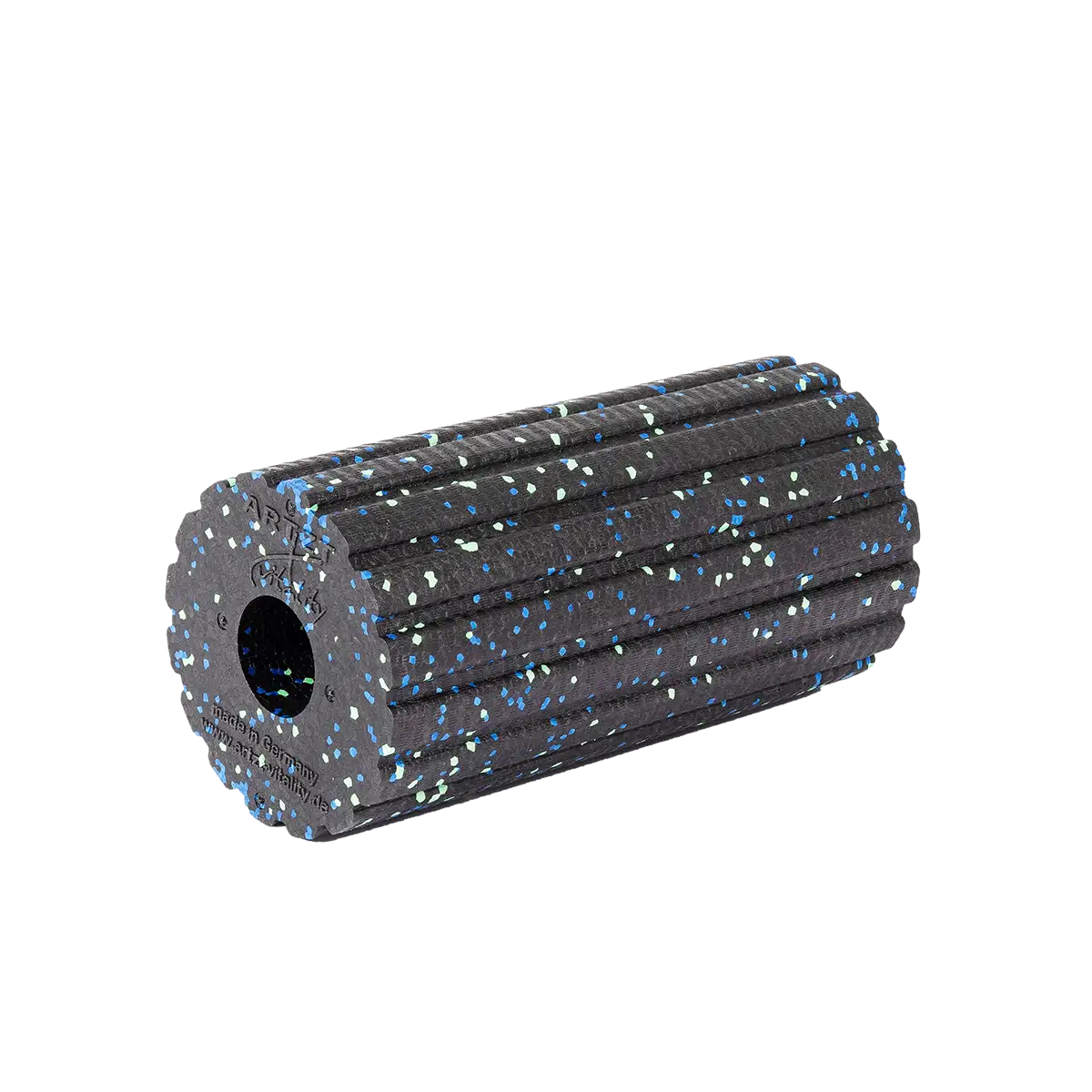


Fascia rollers for self-massage, sports and physio


Ordering, shipping and more
Buy a foam roller: which roller is right for you?
A foam roller is a firm roller, usually made of foam, with which you massage yourself. You roll slowly over a muscle group, such as the thigh, calves, or upper back. In sports, this is called foam rolling, while in physiotherapy it is referred to as myofascial self-massage. Which roller is right for you depends on three questions: How much pressure can you tolerate? Which area of the body do you want to treat? And where do you want to roll, at home, in the gym, or on the go?
Foam roller types at a glance
| Type | Feature | Typical use | In our range, e.g. |
|---|---|---|---|
| Standard roller | approx. 30 cm long, smooth surface | Legs, buttocks, upper back | BLACKROLL STANDARD, BLACKROLL MED |
| Long roller | approx. 45 cm long | Large surface area, back, rolling on both sides | BLACKROLL STANDARD 45 |
| Textured roller | Grooves or bumps on the surface | More intense, targeted pressure | BLACKROLL GROOVE |
| Roller with cutout | Two rolling zones with a gap in the middle | Back, spine is avoided | BLACKROLL TWIN |
| Mini roller | Short and narrow | Sole of the foot, forearms, calves, on the go | BLACKROLL MINI, ARTZT vitality Mini Fascia Wood |
| Cork foam roller | Natural material, firm | Alternative to plastic | ARTZT vitality Cork Foam Roller |
| Vibrating roller | Roller with vibration levels | Warm-up, recovery | Therabody WaveRoller |
| Hand roller (massage roller) | Rod with handles, no floor contact | Calves, thighs, neck | THERABAND Roller Massager |
| Set | Roller plus ball and mini roller | Full body, getting started | BLACKROLL BLACKBOX |
Soft, medium, or firm: the right level of firmness
The level of firmness determines how intense the rolling feels. For getting started, for sensitive people, and for rehab, a soft roller like the BLACKROLL MED is a good start. Those who already have experience or exercise a lot often opt for a medium firmness like the BLACKROLL STANDARD. Rollers with grooves or bumps and rollers with vibration add to the intensity. Our tip: Choose one level softer. The massage should feel intense but well tolerable.
Application: how to roll correctly
Roll slowly and controlled, about one to two minutes per muscle group. Stay briefly on noticeably firm spots and continue to breathe calmly. A distinct feeling of pressure is normal. Sharp pain, tingling, or numbness, on the other hand, are signs to stop the exercise. Avoid bones, joints, the back of the knee, and the spine itself. For the back, rollers with cutouts are suitable because they work on either side of the spine.
What foam rollers can do is well studied: review articles show that foam rolling can improve mobility in the short term and reduce the feeling of muscle soreness after exercise. If you have any complaints, are training after an injury, or are unsure whether rolling is right for you, speak with your doctor or physiotherapist beforehand.
Foam roller or fascia ball?
The roller and ball complement each other. With the roller, you work on large muscle groups such as the thighs and back. A fascia ball reaches smaller and hard-to-access areas, such as the sole of the foot, buttocks, or the muscles between the shoulder blades. You can find fascia balls, DuoBalls, and other tools in our fascia training category. Those who prefer working without floor contact will find an alternative in our massage guns.
BLACKROLL, Therabody, and ARTZT vitality
BLACKROLL is one of the best-known manufacturers of foam rollers and produces its rollers in Germany. From Therabody, known for the Theragun, comes the WaveRoller, a vibrating foam roller. In addition, you will find rollers from our own brand, ARTZT vitality, for training at home, for example made of cork and wood.
Guide
You can read about what tools are available for treating fascia and how therapists use them in our magazine article fascia therapy.