Bungee Fitness: Effective Training for Therapy and Functional Stability
Reading time: 4 minutes
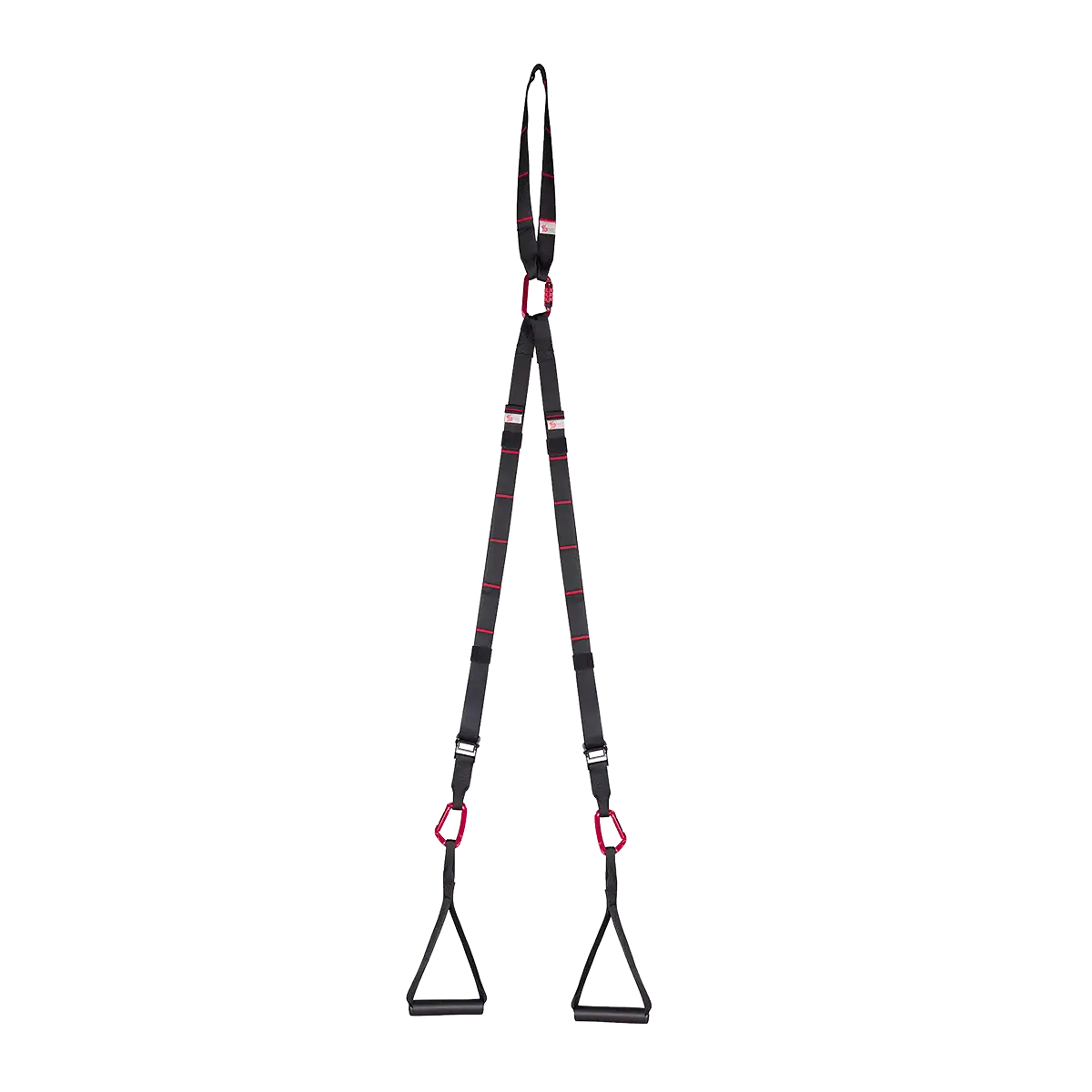
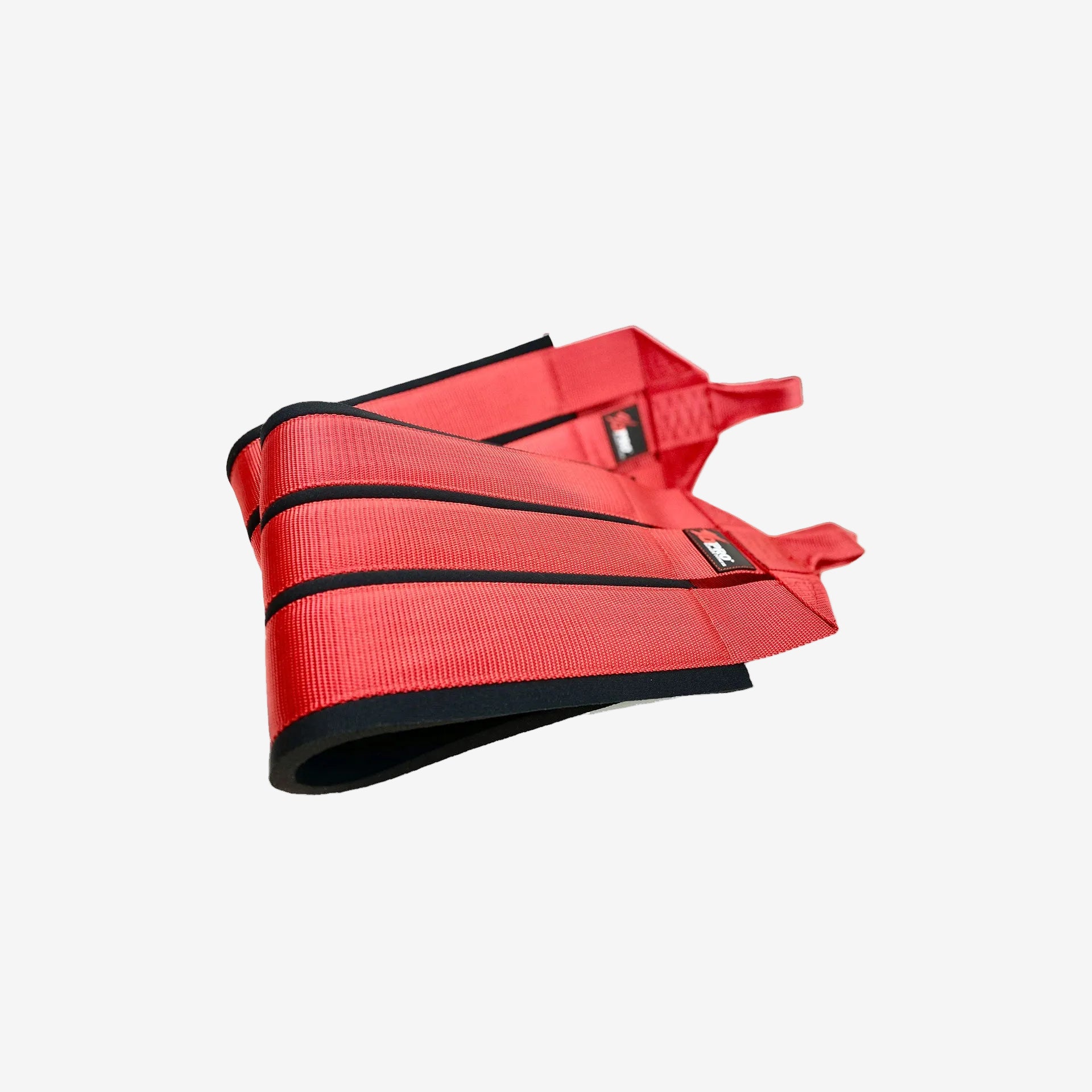
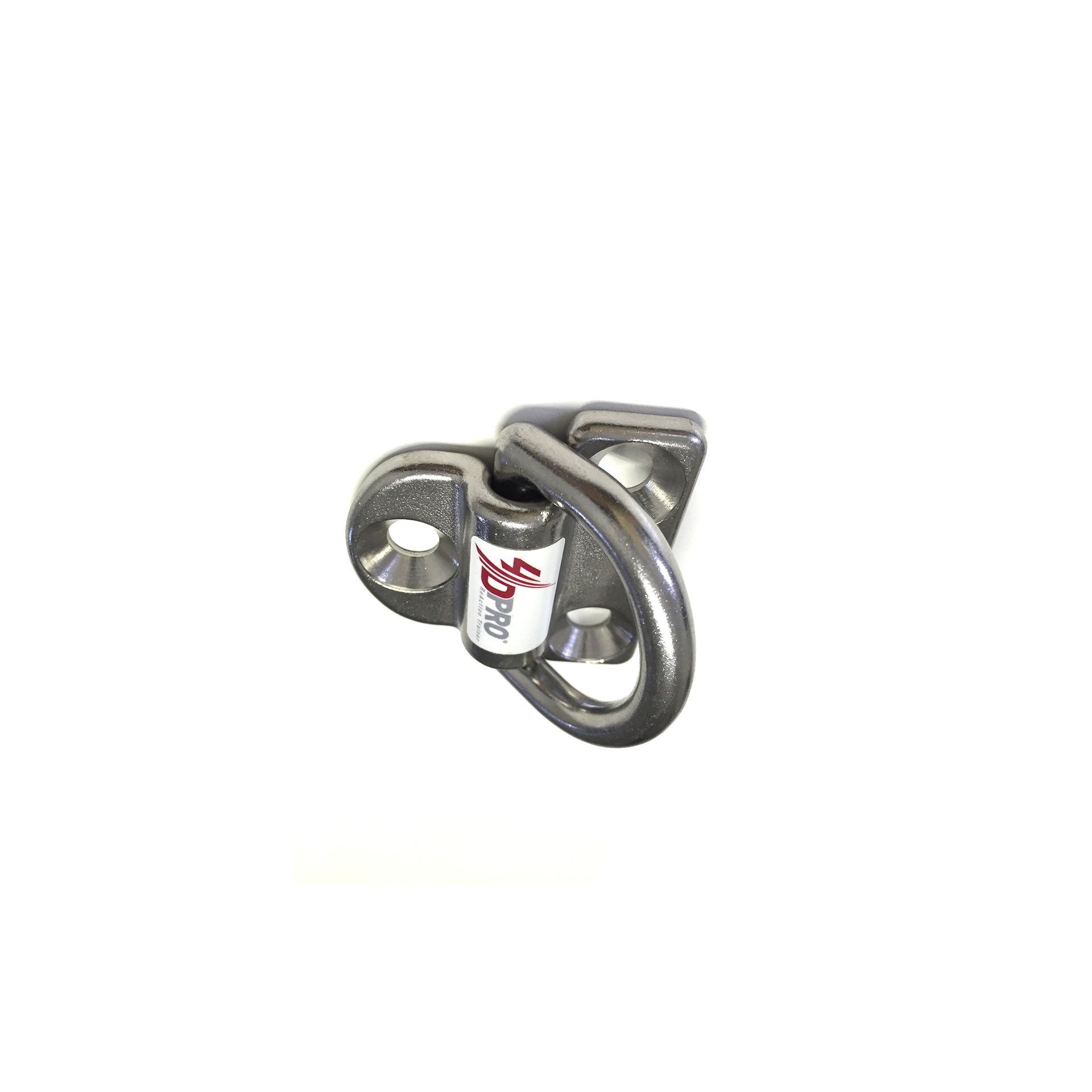
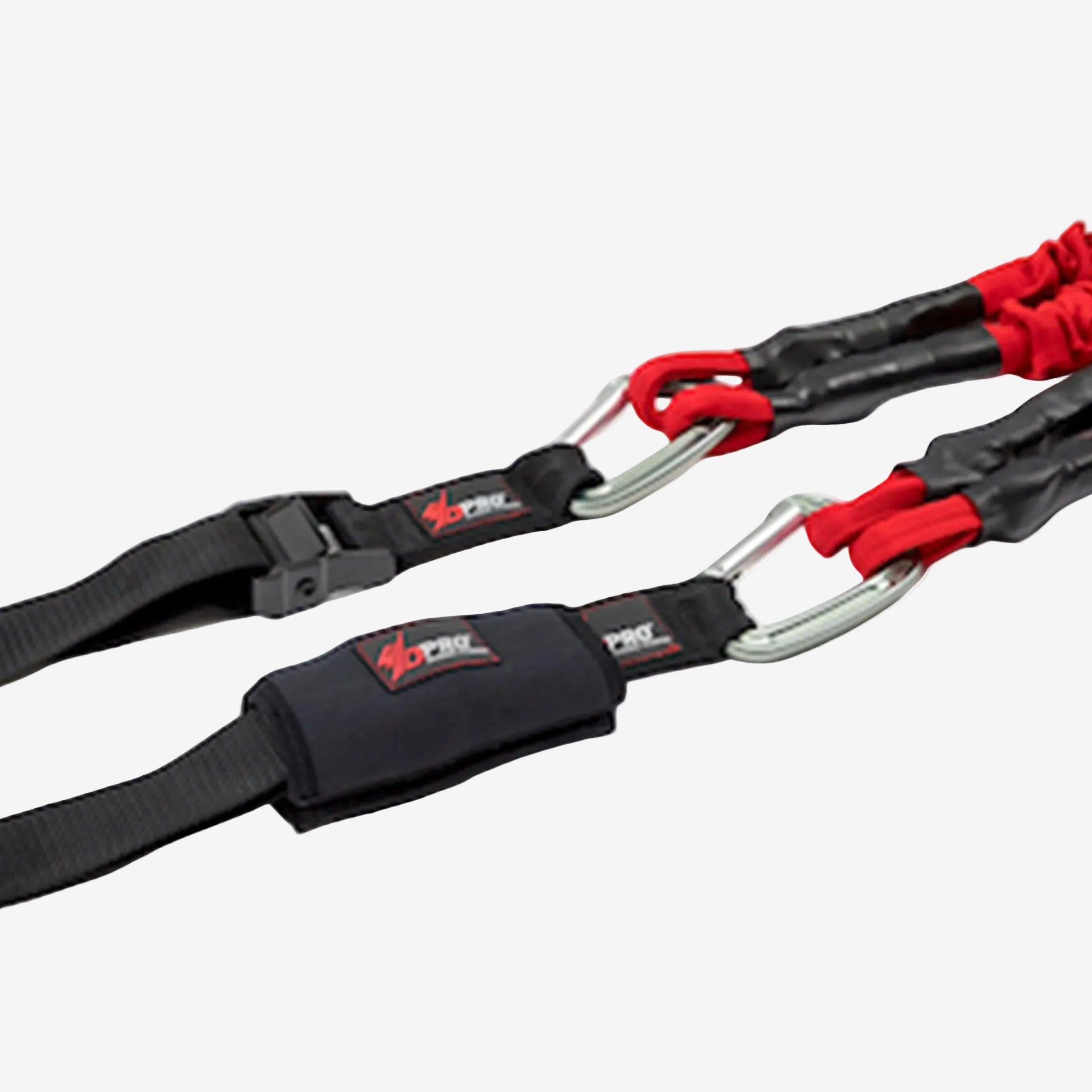
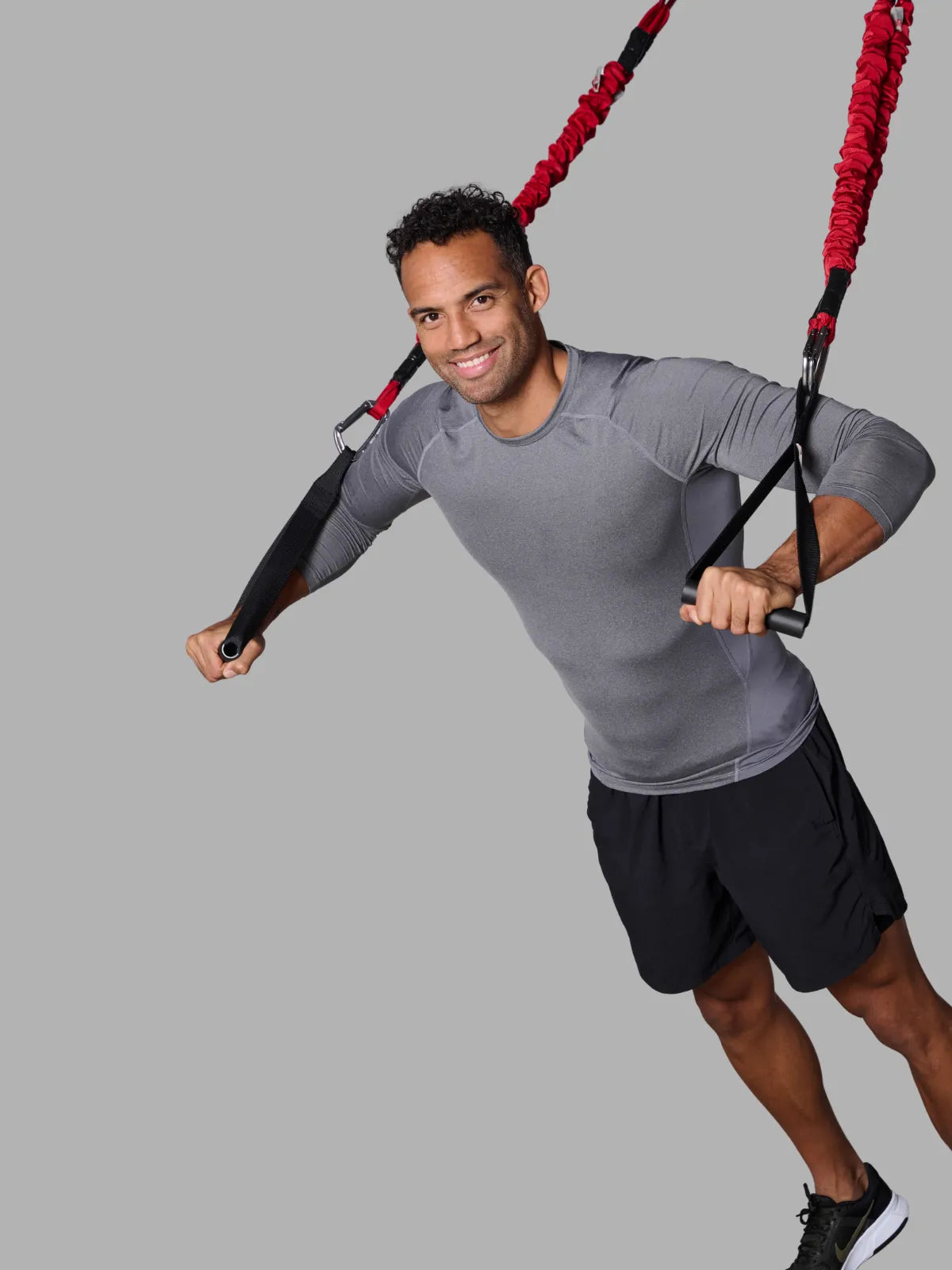
Bungee fitness is increasingly becoming an integral part of functional training and modern physiotherapy. The use of elastic rope systems – such as the 4D PRO Bungee Sling Trainer – creates a unique training stimulus: gravity is reduced, movements are guided and at the same time unstable. This opens up new possibilities for rehabilitation, prevention and athletic training.
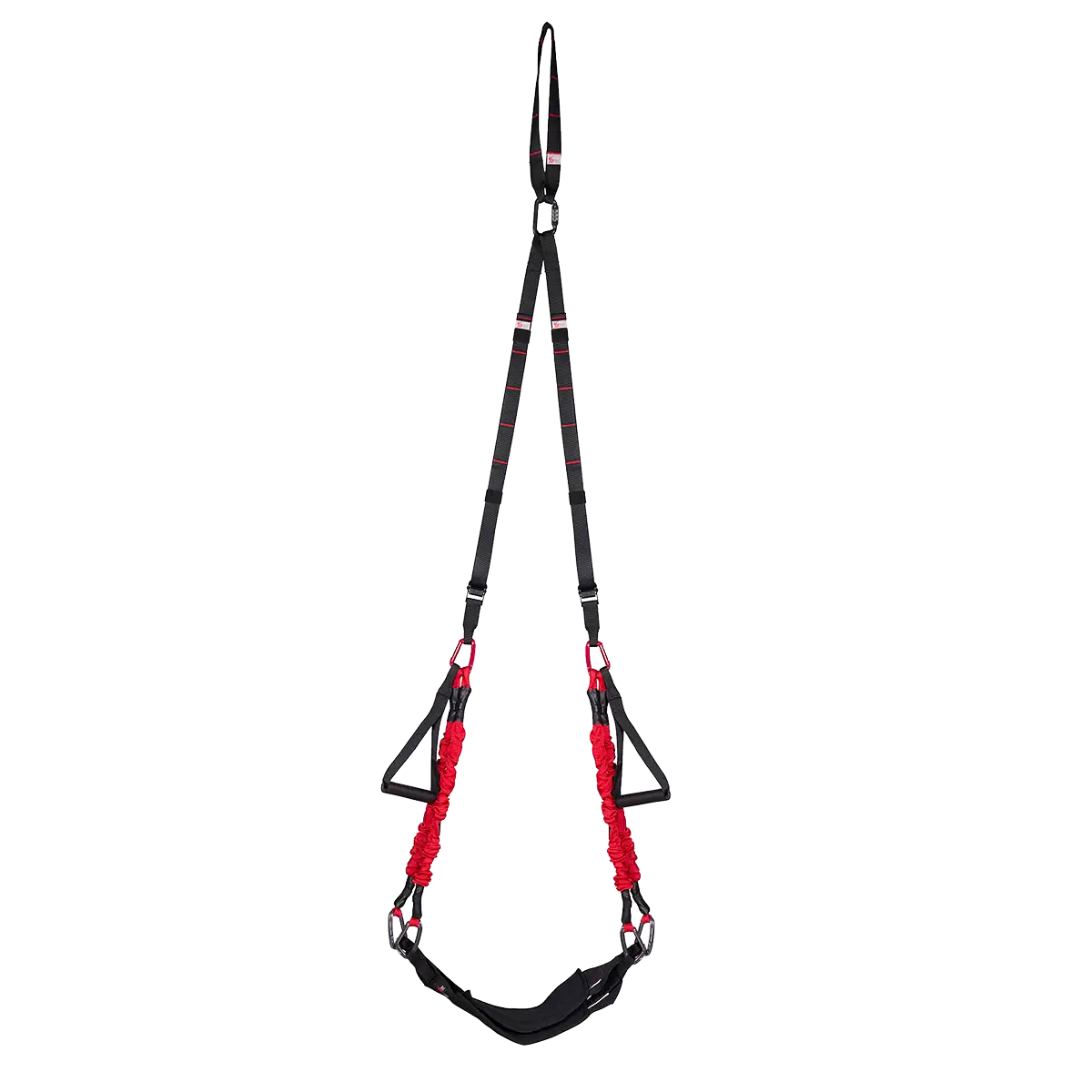
This article is specifically aimed at physiotherapists and trainers and shows how bungee fitness can be structured and used effectively – including concrete exercise examples from practice.
Contents
What is Bungee Fitness?
Bungee fitness describes training with elastic rope systems, in which the body is partially relieved of weight. The combination of tension, instability and three-dimensional movement allows for:
- joint-friendly training
- improvement of neuromuscular control
- targeted stabilization work
- functional movement patterns under altered load conditions
Especially in therapy, this offers a decisive advantage: movements can be relearned earlier, more safely and with more control.
Benefits of Bungee Fitness in Therapy and Training
- Reduced joint stress: Partial weight relief allows exercises to be performed even with limited load-bearing capacity – ideal after injuries or operations.
- Improved core stability: Constant instability challenges the deep muscles and improves segmental control.
- Coordination training: Movements against elastic resistance promote timing, rhythm, and inter- and intramuscular coordination.
- Functional strength development: Strength is built not in isolation, but in complex movement patterns.
5 Bungee Fitness Exercises
The following exercises are based on the provided training concept and are particularly suitable for therapeutic and functional use.
Exercise 1: Flys
Goal: Core stability and shoulder girdle control

Starting position: Prone position in the Bungee Sling Trainer. Adjust the body's center of gravity so that the upper and lower body can be held stably in suspension.

Execution: Stabilize the position and perform small, controlled oscillating movements from the pelvis.
Exercise 2: Control Front
Goal: Core stability (anti-extension)

Starting position: Upright sitting position in the Bungee Sling Trainer.

Execution: From the sitting position, move in a controlled manner into a reclined, suspended position and hold it stable. Then perform small, controlled movements from the body's core.
Important notes:
- Maintain core tension continuously
- Control movement from the pelvis
- Avoid a hollow back (keep lumbar spine neutral)
- Keep shoulders relaxed and stable
Exercise 3: Elbow Plank
Goal: Stabilization of the shoulder girdle and improvement of scapular control.

Starting position: Kneeling with forearms in the loops. Elbows bent.

Execution: Slowly move against the pull of the bands into a heel sit and return to the kneeling position in a controlled manner.
Important notes:
- Keep the shoulder axis stable throughout the entire movement
- Do not shrug shoulders
- Active control of the shoulder blades
- Perform movements smoothly and with control
Exercise 4: Assisted Lunge
Goal: Leg axis stability, functional strength and coordination

Starting position: Upright stance, upper arms in the loops. Arms extended.

Execution: Perform controlled lunges forward against the resistance of the lambda bands.
Important notes:
Knee points towards the toes (no valgus position)
- Keep torso upright
- Keep pelvis stable
- Choose step length carefully
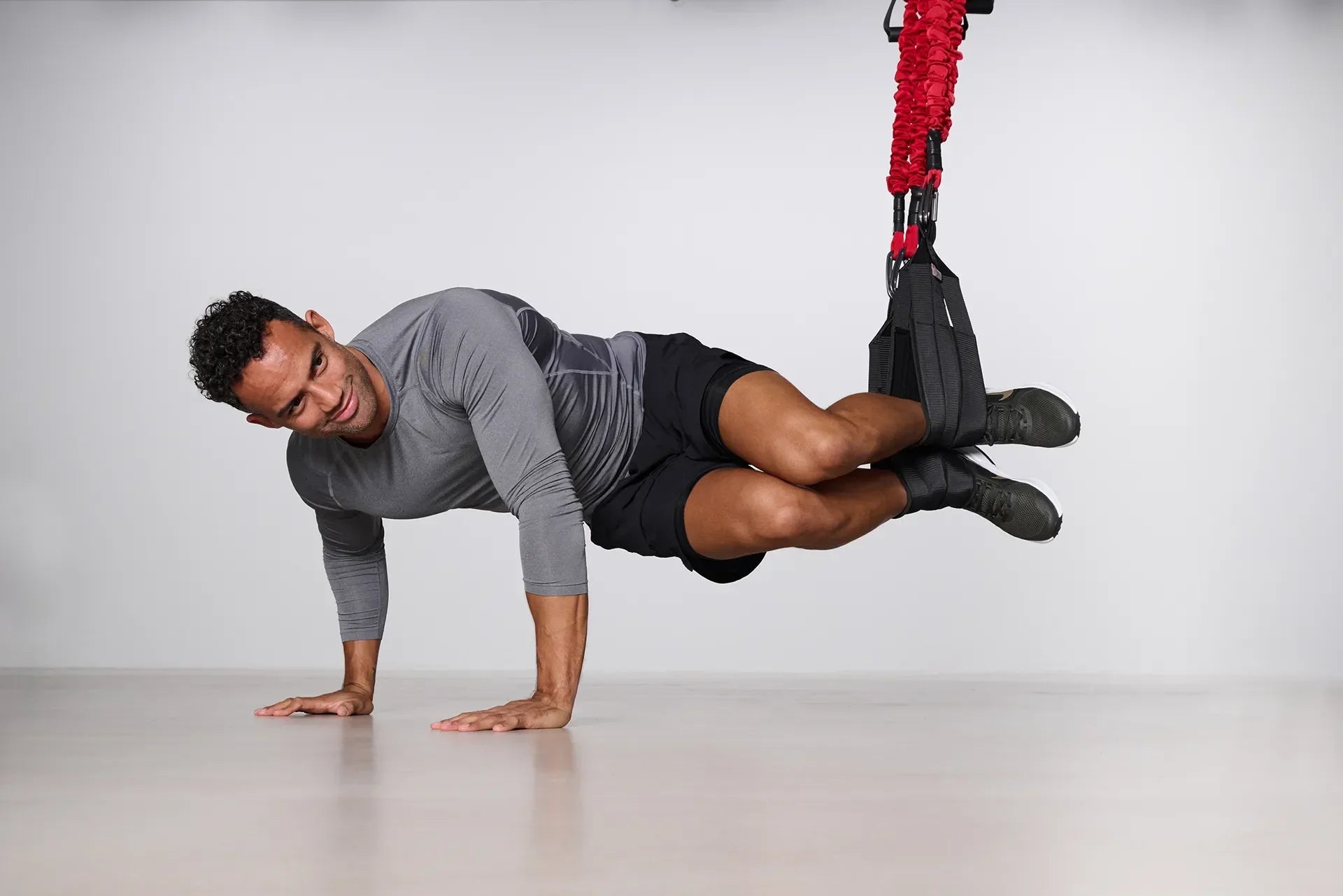
Exercise 5: Hip Knee Mobility
Goal: Improvement of mobility and neuromuscular control of the hip and knee.


Starting position: Side-lying, one leg with the lower leg in the loop.


Execution: Extend the leg from the hip in a controlled manner and then move it forward again via knee flexion. Repeat the movement slowly and with control.
Important notes:
- Differentiate movement cleanly between hip and knee
- Avoid evasion in the pelvis
- Smooth, controlled execution of movement
- Work pain-free
Integration into Therapy and Training
For physiotherapists
Bungee fitness is particularly suitable for:
- early functional rehabilitation
- core stabilization
- gait training and movement learning
For Trainers
In training, bungee fitness can be used for:
- functional athletic training
- core workouts
- coordination training
- varied group formats
Bungee Fitness – Practical Tips
For safe and effective use, you should observe the following principles in bungee fitness:
- Progression instead of intensity: First stability, then dynamics
- Quality over quantity: Controlled execution of movement
- Individual adaptation: Consider body weight and training level
- Clear coaching cues: Focus on core, breathing, and joint axes
Conclusion: Bungee Fitness as a versatile tool
Bungee fitness is much more than a trend. For physiotherapists and trainers, it offers a highly functional training system that effectively combines stability, strength, and coordination.
The combination of relief and instability allows movements to be guided specifically and adapted individually – a clear advantage in both rehabilitation and performance-oriented training.
Transparency notice: This text was created by our editor Jonas with the help of AI and then edited.

Written by Jonas Schön