Successfully treating knee pain
This article shows why targeted physiotherapy is often the more effective and gentler alternative to arthroscopy for knee pain – and how it can sustainably alleviate discomfort.
- Explains when physiotherapy can replace or complement surgery.
- It highlights the risks and possible complications of knee arthroscopy.
- Shows conservative treatment options such as lymphatic drainage, manual therapy, muscle building and exercise training to stabilize the knee joint.
Reading time: 4 min.
Knee pain is unpleasant, significantly restricts mobility and quality of life, and can literally drive patients to despair. However, many knee problems can be effectively treated with targeted physiotherapy. This article explains everything you need to know about arthroscopy and why and how its associated consequences can often be avoided.
Physiotherapy instead of arthroscopy?
It's a fact: In some cases of knee problems, physiotherapy can prevent the need for arthroscopy. But what does the right treatment with a physiotherapist look like? After taking a medical history and conducting a thorough palpation (feeling and assessing the structures around the knee joint), an individualized treatment plan is created. The therapist has various options available to alleviate the symptoms. However, physiotherapy isn't always considered as a solution. Often, surgical procedures like arthroscopy are quickly resorted to, but these don't always bring the desired results.
Knee arthroscopy – fast, but ineffective?
The dose of painkillers is steadily increased because the pain is unbearable without them. It's perfectly understandable that patients grasp at any straw that offers hope for improvement. Although magnetic resonance imaging (MRI) or computed tomography (CT) scans show no evidence of pathological findings in the knee joint, arthroscopy is often considered nonetheless.
The patient often agrees to this promising minimally invasive surgical procedure. Disappointment quickly follows when, after the completed but ineffective procedure, the patient experiences continued severe knee pain . However, many of these complaints can be treated with targeted physiotherapy, making arthroscopy for knee pain – whether chronic or acute – entirely unnecessary.
Underestimated complications of knee arthroscopy
These are the risks of the surgical procedure.
Arthroscopy is performed under local or general anesthesia, which inevitably exposes the patient to various risks. Besides potential cardiovascular problems , life-threatening aspiration of stomach contents, allergic reactions to anesthetics, or severe nausea and vomiting, there is also the risk of drowsiness and memory loss. After the procedure , significant fluctuations in blood pressure can occur, causing the patient to collapse as soon as they attempt to stand upright. Standing up is therefore often impossible initially. Furthermore, the operated leg must not bear full weight for the first few days. The bothersome and uncomfortable Redon drain, through which wound fluid is removed from the joint, further restricts mobility.
Increased pain after knee arthroscopy – possible problems
As a consequence of knee arthroscopy, the patient initially becomes less active and uses the muscles of the affected leg less frequently than usual. This quickly leads to temporary atrophy (wasting), which necessitates targeted muscle-strengthening exercises. The quadriceps muscle, the four-headed thigh muscle, is particularly affected . It is responsible for moving the knee from flexion to extension. Its main function is also to stabilize the knee joint. If the quadriceps muscle is too weak, it cannot adequately protect, support, and hold the knee. As a result, the patient experiences significant difficulties climbing stairs because the leg lacks the strength to extend it. The knee may buckle repeatedly, and the initial pain can worsen. Targeted postoperative physiotherapy is essential to counteract these complications.
Exercise for knee pain? Postoperative treatment
Every body reacts differently to surgical procedures. However, the most common reaction is visible swelling in the surgical area. This restricts the joint's range of motion and causes an unpleasant feeling of tension in the knee. Manual lymphatic drainage followed by compression of the leg up to the thigh provides relaxation and relief. Once the swelling has been successfully treated, physiotherapy exercises can begin.
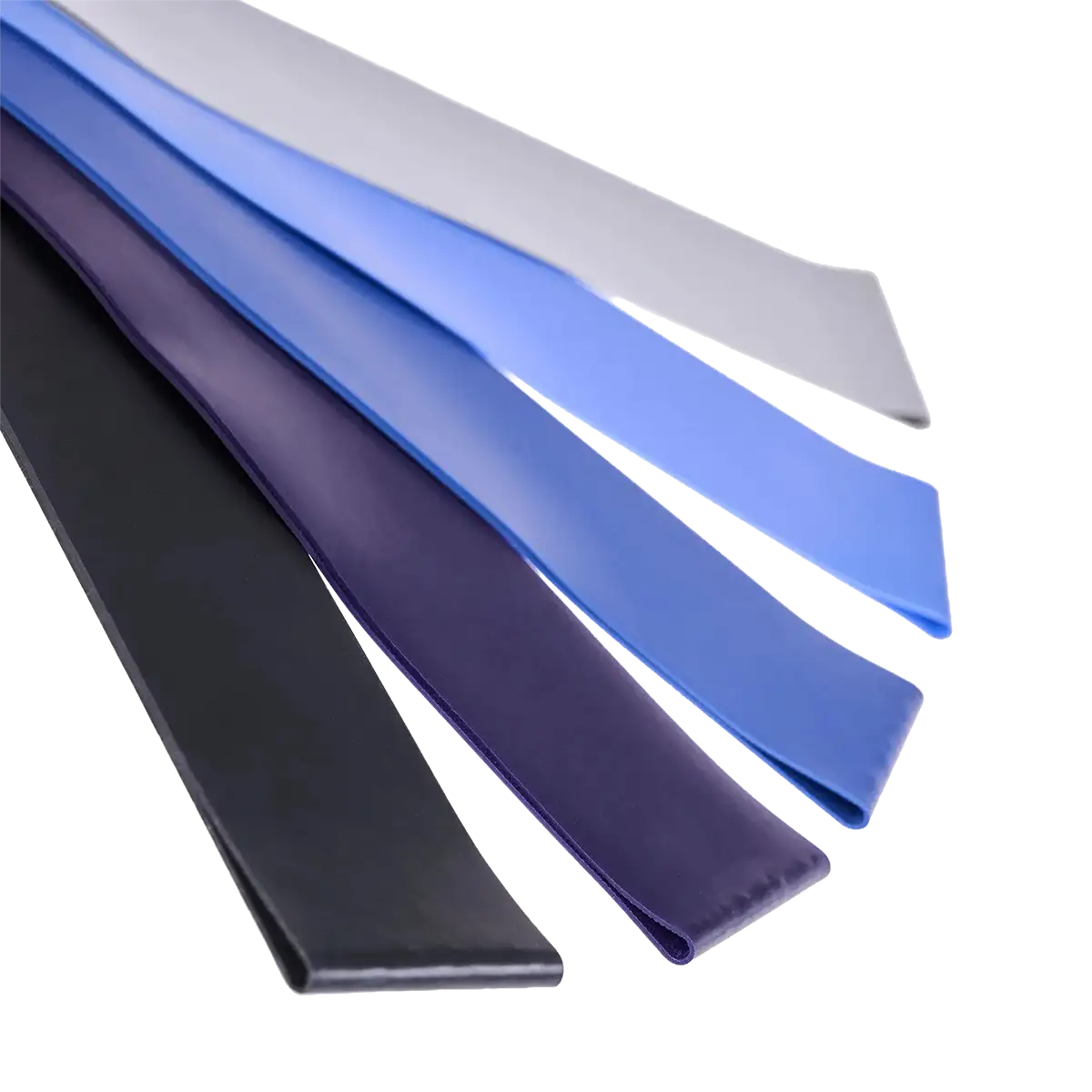
If the patient is experiencing pain, the therapist will first address this and, ideally, reduce it. Often, a cold pack applied repeatedly during treatment is sufficient. The therapy begins with tension exercises and assisted range-of-motion exercises in extension and flexion up to the pain threshold. The increasing intensity of active movements, including those against resistance and with the use of aids, is gradually incorporated into the program. The goal is to build up and train the atrophied quadriceps muscle to restore stability in the knee joint or counteract instability.
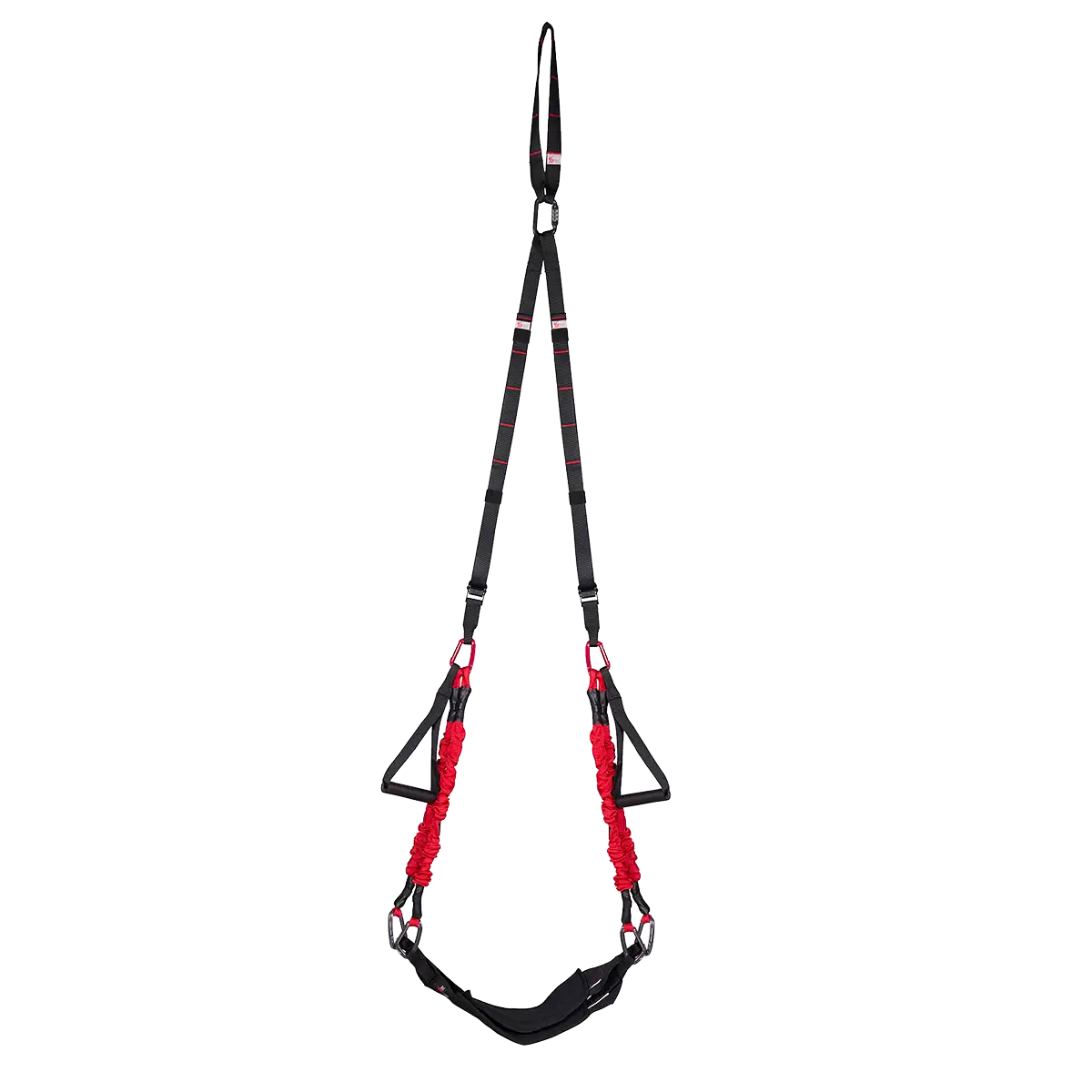
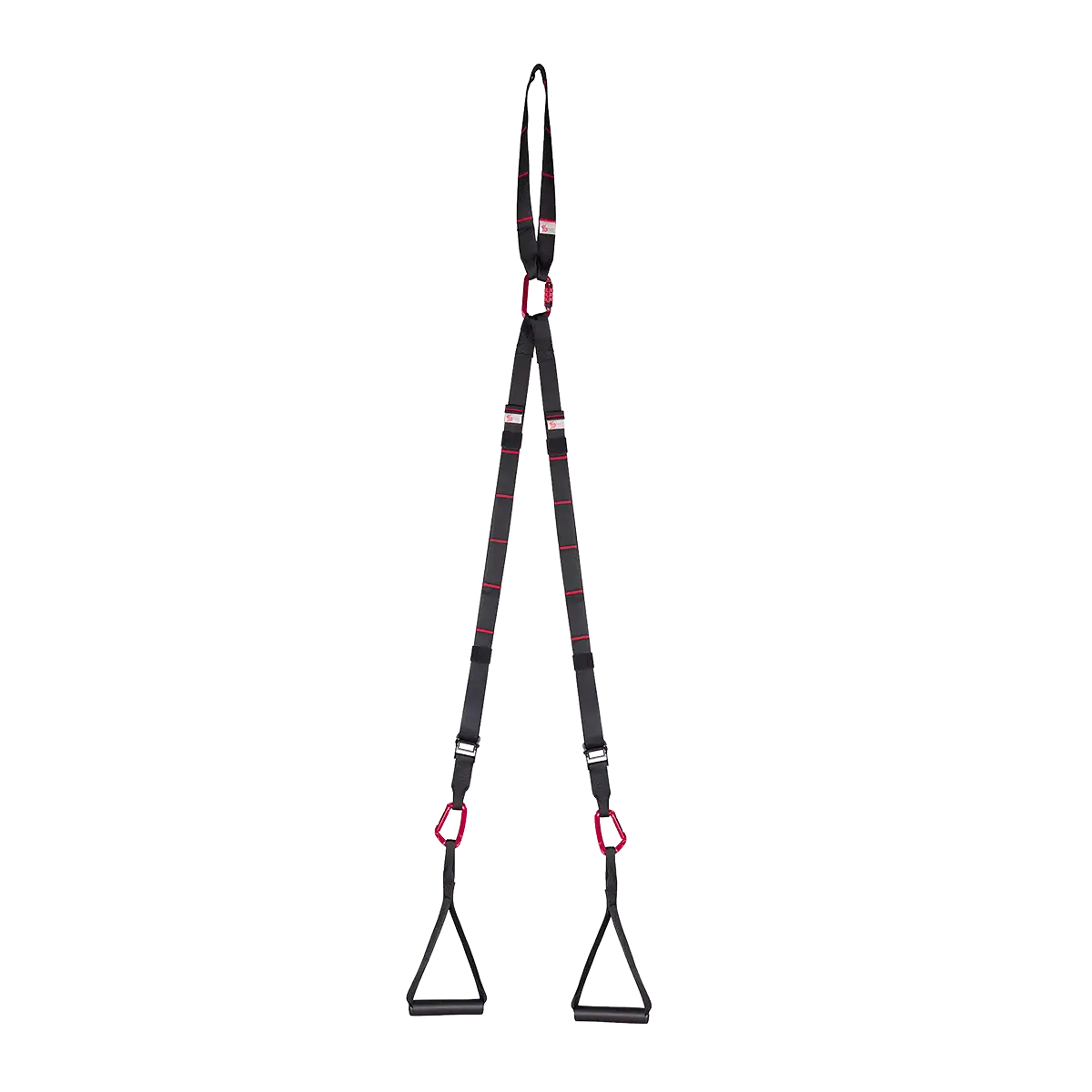
If the patient is able to tolerate the activity, therapy can be expanded to include the trampoline, wobble board, or balance board . These are used for balance training and advanced muscle strengthening exercises. Modern physiotherapy practices offer particularly athletic patients muscle strengthening training using small sports medicine equipment.
3 options to relieve knee pain
Depending on the medical history, it can be determined whether the pain stems from muscle tension in the leg, a sprain of a ligament (e.g., cruciate ligament), a contusion, or a soft tissue injury. In the case of muscle tension, heat applications (fango packs, infrared light, hot packs) and massages effectively relieve knee pain. Painless yet intensive, pain-relieving, and anti-inflammatory ultrasound treatment can also be used. Particularly severe tension often occurs in the area of the iliotibial band.
Treating radiating knee pain
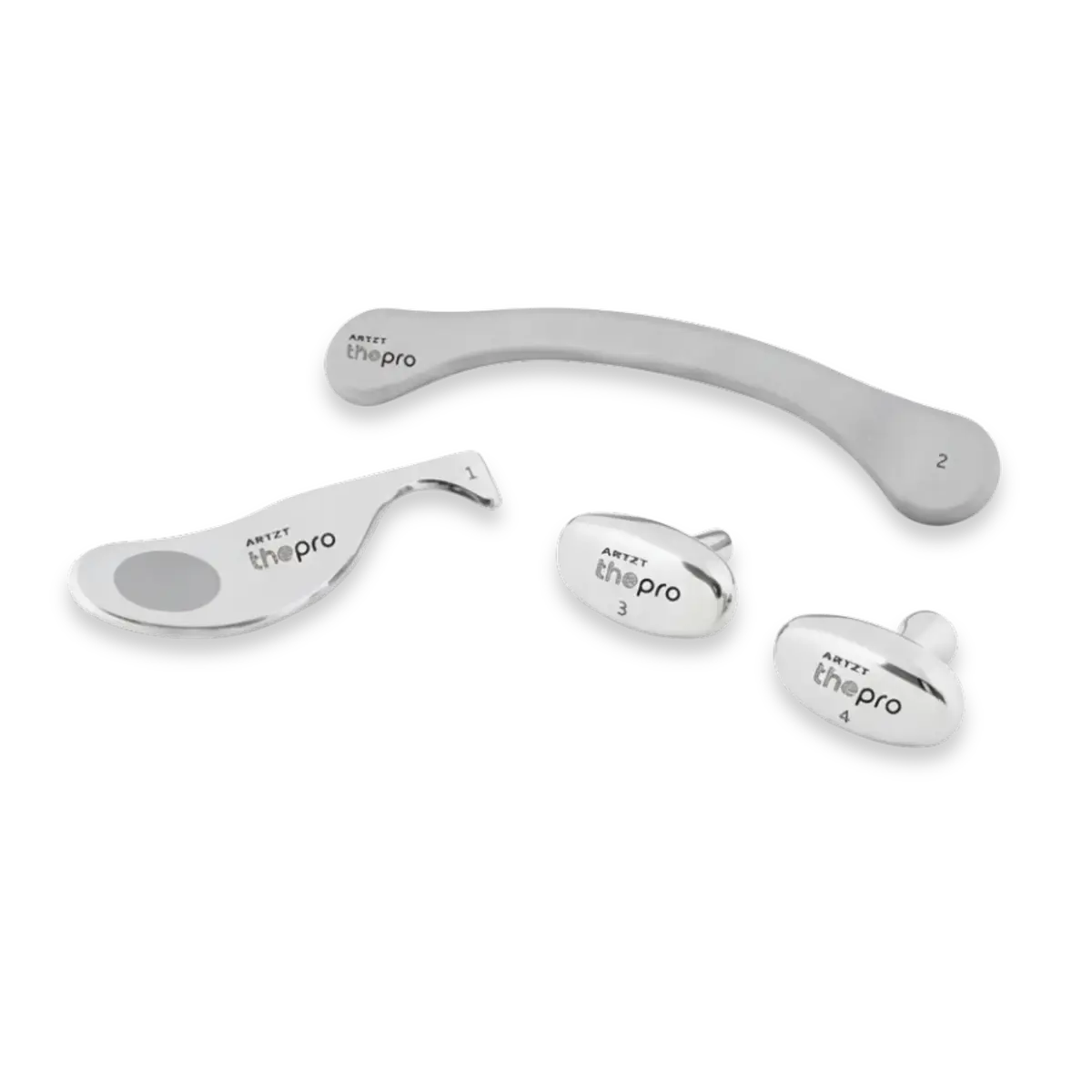
The pain can extend across the entire lateral thigh. Radiating pain down the entire leg is possible. Trigger point therapy can provide significant relief. If the pain is caused by overstretching, shortening, or irritation of a ligament, it can be treated with cross-friction massage or other manual therapy techniques . A contusion or soft tissue injury is usually accompanied by swelling in the affected area. Cold compresses and manual lymphatic drainage are indicated until the swelling subsides.
A stuck patella as a cause of pain
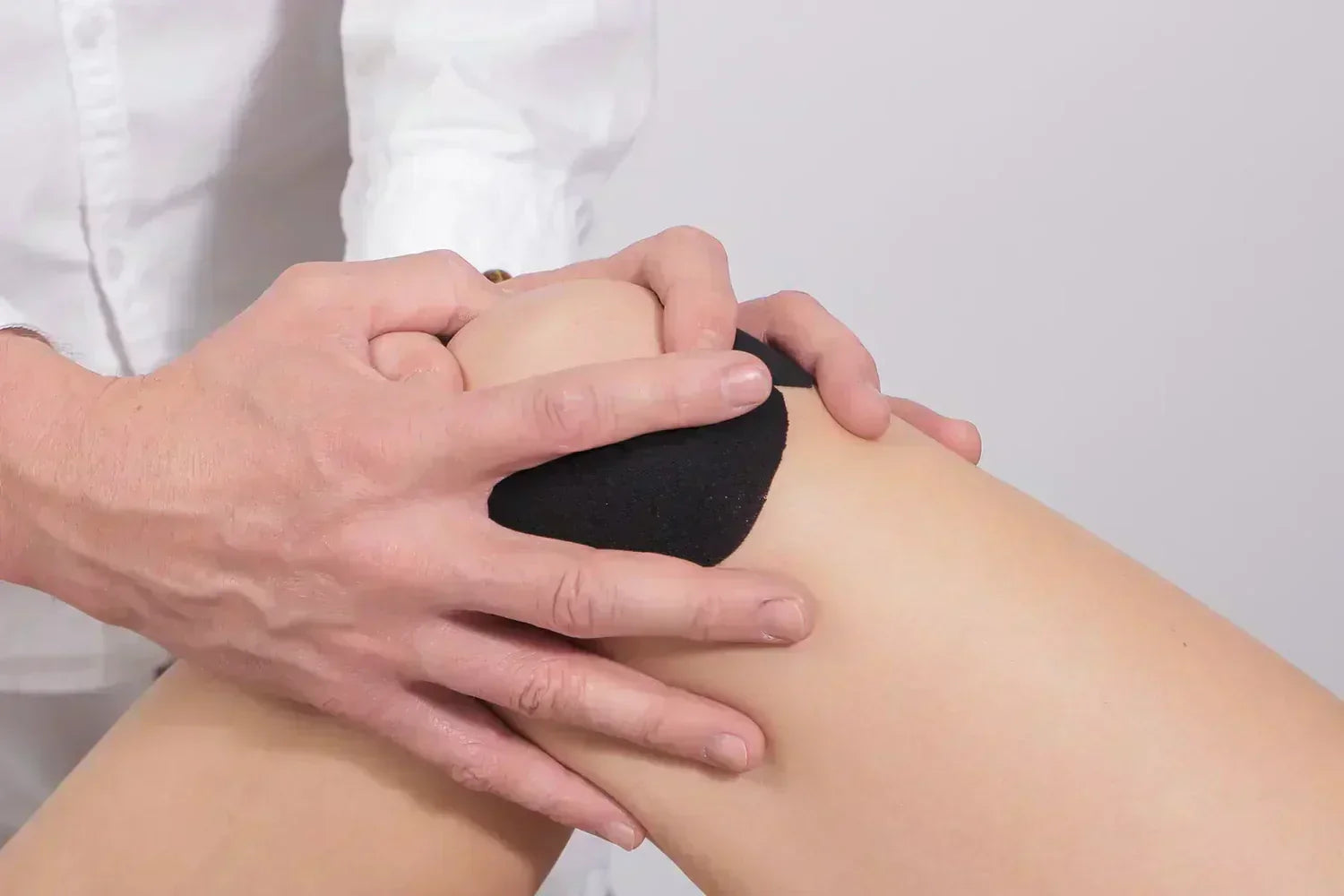
Knee problems can also be caused by a patella (kneecap) that is stuck together. If it is not mobile, this can lead to restricted movement and pain in the joint . Patellar mobilization with additional soft tissue treatment is indicated in this case. An improvement in range of motion is usually noticeable quite quickly. The longer the pain persists, the more protracted the healing process can be. Therefore , treatment should begin as soon as possible . All these treatment methods demonstrate that physiotherapy can offer an effective solution for knee pain.
Conclusion: Physiotherapy is the first choice for treating knee pain
Physiotherapy often offers an effective alternative to arthroscopy for relieving knee pain and restoring mobility. While arthroscopy carries risks and potential complications , targeted physiotherapy can gently and effectively treat many conditions. Therefore, it is worthwhile to exhaust all conservative treatment options before resorting to surgery.

Written by Isabel Kunoth