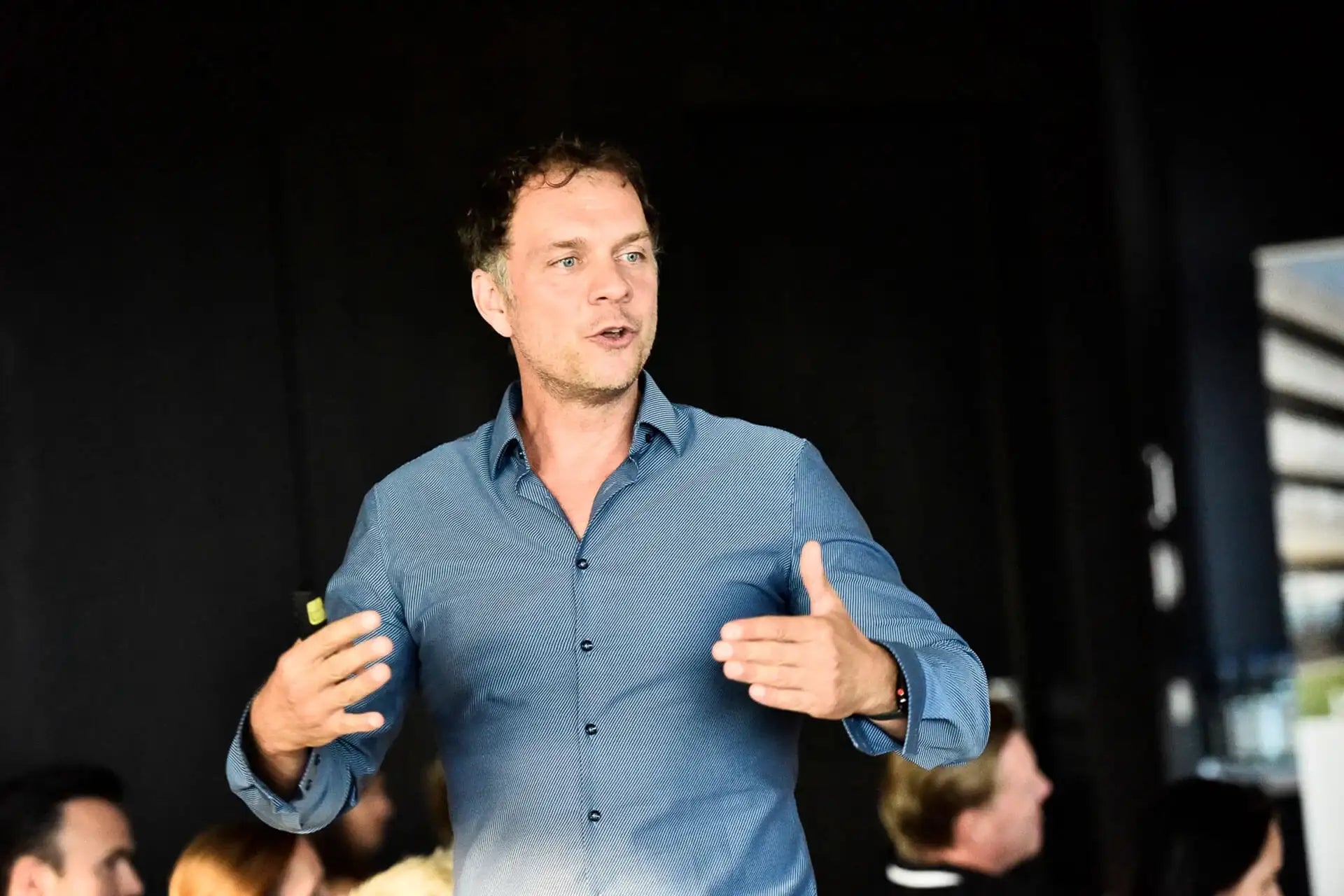
Prof. Dr. Volker Busch in an interview about neuroathletics
Reading time: 4 min.
ARTZT: Dr. Volker Busch, regarding the topic of brain and movement, you once said the following: "The development of cognitive performance begins with movement." What does that mean?
Volker Busch: Yes, that's right. Because movement activates many factors that can significantly improve our cognition. These include improved blood circulation, oxygen supply and nutrition to nerve cells, as well as the removal of metabolic waste products. And for several years now, we have also known that physical exercise also initiates a series of growth processes in the brain, i.e., forming new nerve cells (neurogenesis) and integrating them into a stable synaptic network.
This, in turn, can improve our mental performance. And several prospective studies, which compared older active people with their passive age peers over years, concluded that regular exercise can even increase our so-called cognitive reserve. Our mental decline is therefore delayed if we keep moving. External movement promotes our internal movement.
ARTZT: What does lack of exercise do to our brain?
Volker Busch: Over 60% of brain mass is associated with motor control. Intuitively, one might believe that the human brain is primarily for thinking. Strictly speaking, however, this is rather secondary. Motor control requires much more neuronal activity and energy than thinking. Therefore, these areas still occupy the largest space today. However, if we hardly move in everyday life anymore, these areas are no longer stimulated and partly regress. Behind this is a principle of economy: what is not functionally needed does not have to be supplied with oxygen and glucose. In technical terms, this economic rule is: "Use it or lose it."
"Neuro-athletic training could be of immense benefit to our patients, for a wide variety of complaints and clinical pictures, by the way. Pain is just one example of this."
ARTZT: From your point of view, what should neuroplasticity-promoting movement look like?
Volker Busch: From everything we know so far, complex movements and motor sequences are particularly stimulating for the brain and thus also for neuroplastic growth. The strongest stimulation of nerve cells is surprise. This also applies to movements: when walking, this complexity is absent. When climbing, dancing or performing coordinatively demanding athletics, however, it is a central component of motor skills and means a permanent influx of ever new signals that the brain has to process and answer. This keeps nerve activity on its toes and increases the likelihood that newly formed nerve cells survive longer.
ARTZT: What influence do perception and environment have on our brain?
Volker Busch: In digital worlds, we have to be careful that perception and learning don't remain too theoretical or limited to the screen in two dimensions. Here too, movement helps to better grasp the environment: human cognition is "embodied," one speaks of embodied cognition. This means that our brain does not store objects, facts, or complex situations abstractly, but almost always in connection with motor sequences and processes.
If you ask test subjects to think of a hammer, the areas that are active are not so much those in which the lexical meaning of the word is stored, but much more the areas that have to do with the execution of the hammering movement.
Our brain therefore stores and remembers things in the form of embodied memories. This is, of course, only possible if we have previously observed how to use a hammer or have done so ourselves. For this reason, sustainable learning is always linked to experience. Every theory includes the practice of execution. This creates embodiment of memories - and thus also their long-term storage.
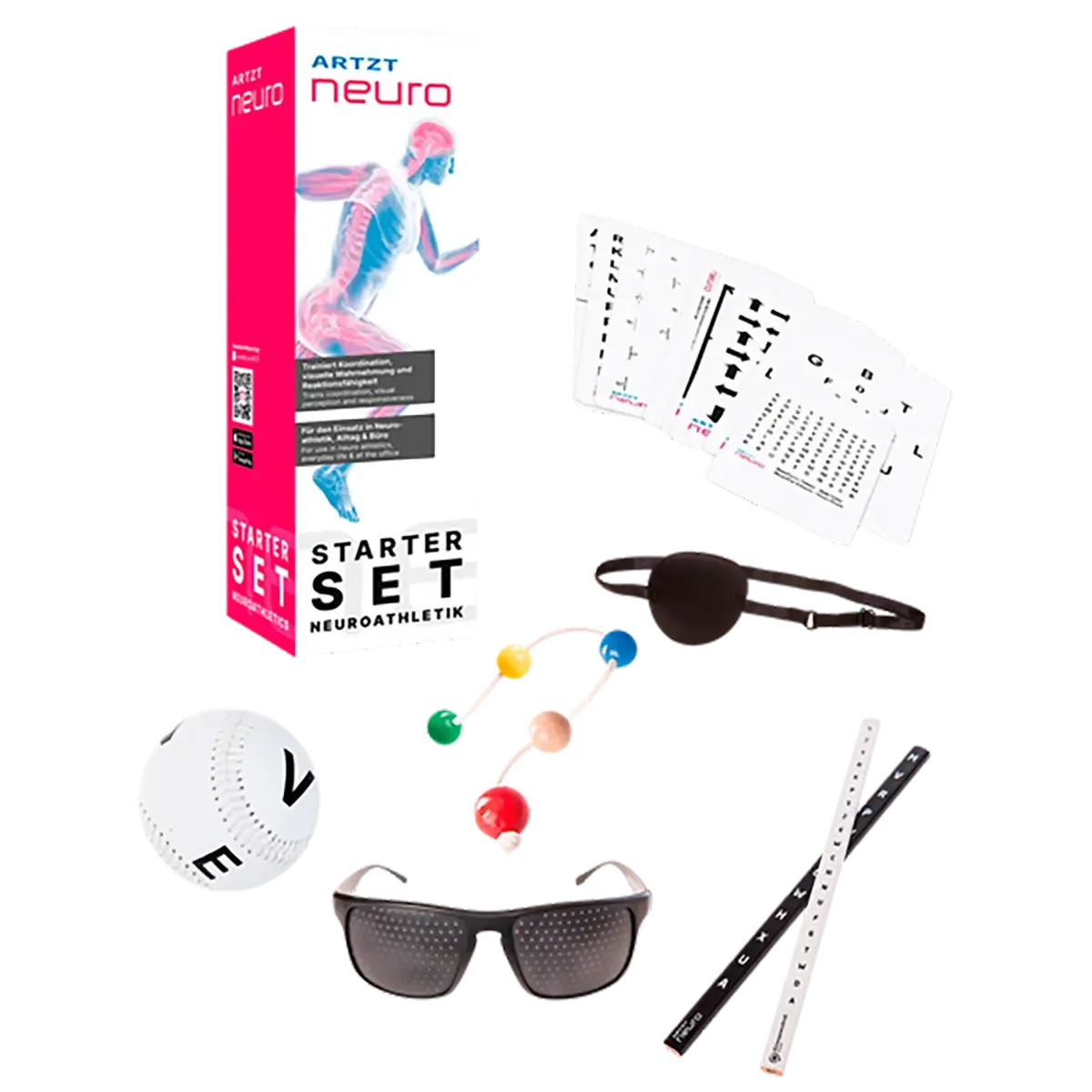
ARTZT: Neuro-athletic training is currently trending. Here, perception and information processing are primarily focused on as the basis for good and pain-free movement. Does this make sense to you from a neuroscience perspective?
Volker Busch: Neuro-athletics and neuro-centered training methods are the consistent further development of the findings from laboratory studies on the influence of movement on the nervous system. Their scientific effectiveness is often still pending; we are still in the early stages here. Nevertheless, I consider dealing with the topic in the form of application observations and, in the best case, through controlled studies to be extremely important.
Neuro-centered training could mean an immense gain for our patients, by the way, with very different complaints and clinical pictures. Pain is just one example of this. In fact, this indication is particularly exciting. It would be conceivable, for example, that the afferent influx of proprioceptively and coordinatively highly complex information during such training could support a neuronal reorganization of pain-processing areas in the brain.
This would then contribute to a restoration of the original structural conditions and consequently reduce pain, similar to what we already know from certain stimulus-physiological treatment forms for phantom pain and have even been able to prove neuronally in the meantime.
About Prof. Dr. Volker Busch
Prof. Dr. Volker Busch is Speaker of the Year 2021, podcaster, bestselling author, and a specialist in neurology, psychiatry, and psychotherapy, and he particularly enjoys working on his passion: the world of mind and brain.
As head of a neuroscience working group at the University of Regensburg, he and his team research the psychophysiological connections between stress, pain, and emotions, or work therapeutically with people who suffer from various kinds of stress and accompany them on their path to mental health and satisfaction.
In addition, for many years he has been passing on his knowledge and experience in the form of keynotes/lectures, seminars and publications, and helps executives, employees and his fellow human beings to more brain health, motivation and inspiration. In this way, he creates a beautiful connection between literature, laboratory and the lives of people.
You can find out more about how brain and movement are connected in the podcast episode Das bewegte Gehirn from Dr. Busch's podcast Gehirn Gehört.
This article was originally published on artztneuro.com on October 10, 2024.

Written by Jonas Schön