
Understanding and Treating Migraine – with 3 Effective Exercises
Reading time: 11 minutes
About ten percent of the population suffers from the neurological disorder migraine. It occurs about three times more frequently in women than in men. Unbearable and throbbing headache attacks combined with nausea, vomiting, and neurological deficits can indicate an existing migraine. In this article, you will learn how to recognize it and how to treat it quickly with and without medication – for example, through neurocentric training.
Contents
- Migraine is hereditary
- Up to 72 hours out of action: Recognizing migraine (with aura)
- Hormones, coffee, tension? The most common migraine triggers
- Migraine attack: what happens in the brain
- The difference from headaches
- Migraine in children: early recognition and treatment
- Migraine treatment with and without medication – here's how
- Strengthen the connection between brain and body
- 3 effective migraine exercises from Neuroathletics
- Chronic migraine without therapy – danger for heart and psyche?
- Conclusion: Understanding migraine and countering it effectively
Migraine is hereditary
The number of patients suffering from migraine in industrialized countries has steadily increased over the past four decades and is considered one of the so-called civilization diseases, often described as “diseases of prosperity.” Based on twin studies, it is assumed that not only the susceptibility to depression but also to migraine can be inherited. However, the actual occurrence of the disease depends on other factors. Approximately 50 to 60 percent of affected women and 40 percent of affected men are believed to have such a hereditary predisposition to migraine.
Up to 72 hours out of action: Recognizing migraine (with aura)
For most migraine patients, the attack comes suddenly and without warning, often accompanied by pulsating headaches that can last up to 72 hours. Daylight becomes barely tolerable, and sensitivity to odors and noises is heightened, which is why affected individuals often instinctively seek out a quiet, darkened room. In addition to severe pain, nausea, vomiting, fatigue, and sometimes cravings or digestive problems frequently occur.
Some people, however, can recognize before the headache starts that an attack is imminent. These signs, known as "migraine aura," can begin days in advance with psychological, neurological, and vegetative abnormalities and are fully reversible. Typical symptoms of an aura include visual disturbances (e.g., monocular vision), speech and hearing impairments, and motor deficits such as loss of strength in the arms and legs. This phase usually subsides before the actual headache begins, leaving no permanent symptoms.
[[featured_products]]
Hormones, coffee, tension? The most common migraine triggers
The increasing number of migraine cases in recent decades suggests that environmental factors such as stress, lack of sleep, and an unhealthy diet can promote attacks. Hormonal fluctuations, for example, during the menstrual cycle, sudden weather changes, and certain odors are also considered possible triggers.
Some foods and stimulants such as alcohol, coffee, and certain cheeses are also often identified by patients as triggers. Muscle tension, especially in the shoulder and neck area, as well as blockages in the cervical spine, jaw, or due to foot misalignments (e.g., flat feet or splayfeet), can also promote migraine, as they can trigger tension headaches and migraines.
Psychological stress such as excessive worries and anxieties also frequently contribute to migraine attacks and can trigger a flare-up in a short time.
Migraine attack: what happens in the brain
According to current research, there is a "migraine center" in the brainstem that becomes visible as a highly perfused area – the so-called "migraine generator" – during an attack. It is activated by a high sensitivity to stimuli and triggers the migraine attack. According to one theory, a migraine attack begins with an overactivity of nerve cells in the brainstem, which irritates a specific nerve. This overreaction irritates the fibers of the trigeminal nerve, whose fine ramifications extend into the walls of the blood vessels in the brain and transmit pain signals.
This releases neurotransmitters that dilate blood vessels and cause a painful, nerve-related inflammation. This inflammation increases pain sensitivity, so the pulse wave is perceived as a pulsating headache. Additionally, other brain areas are activated, explaining accompanying symptoms such as nausea, vomiting, and light or noise sensitivity.

The difference from headaches
Migraine differs from normal headaches primarily in how the brain reacts to stimuli such as sounds, light, or temperature changes. In migraine patients, the brain does not adapt to repeated stimuli like light or noise, as is usually the case. Instead, the so-called "anticipatory tension," i.e., the brain's heightened sensitivity to stimuli, remains constantly high. As a result, affected individuals react sensitively to external influences even between migraine attacks, which explains the common light sensitivity.
Additionally, one theory suggests that migraine is triggered by external factors such as stress, weather changes, or hormonal fluctuations, which lead to a temporary constriction and subsequent dilation of the blood vessels in the head. This vasodilation then causes the typical, pulsating pain with increased blood flow and stretching of the vessels in the head, distinguishing migraine from conventional headaches.
Migraine in children: early recognition and treatment
Migraine in children is often harder to recognize because it manifests differently than in adults: the pain usually affects both sides of the head and the forehead, and typically nausea, abdominal pain, and even vomiting occur – sometimes even without a headache. Pay attention to whether your child has such symptoms or also reports "fantastic images" (Alice in Wonderland Syndrome), as these can be precursors to an attack.
Migraine attacks in children last at least one hour and are usually shorter than in adults. For treatment, ibuprofen or paracetamol in age-appropriate dosages are generally recommended, as well as preventive relaxation and breathing exercises and a regulated daily routine with sufficient sleep and exercise. Home remedies can also provide relief.
Migraine treatment with and without medication – here's how
Migraine attacks can turn everyday life upside down. Fortunately, there's a whole range of methods to alleviate symptoms – with and without medication and painkillers. From proven home remedies to sports and regenerative exercises, massages, and physiotherapy – there are many ways to significantly reduce the frequency and intensity of your migraine attacks. Those who also analyze possible triggers and minimize stress factors have a good chance of getting a better handle on the symptoms in the short and long term.
Home remedies for migraine
Even though migraine cannot be treated solely with home remedies, there are some natural solutions that can help alleviate typical migraine symptoms. For example, teas made from medicinal herbs like cloves, ginger, or chamomile, as well as coffee with lemon, are popular remedies often found soothing by sufferers. Additionally, cold and warm applications or aromatherapy with essential oils, such as peppermint oil, can provide relaxation and reduce pain.
Clarity through a migraine diary
Since the causes of migraine are diverse, it is advisable to keep a migraine diary to individually determine which stimuli trigger or worsen the symptoms. Since the body often reacts to certain triggers only after hours or even days, an accurately kept diary is very helpful in researching the causes.
Especially younger people should also pay attention to emotional and mental stimuli. For example, lovesickness or the intense self-discovery phase in young years can overload the brain and promote migraine.
Always consult a doctor
A neurologist should definitely be consulted to clarify headache attacks. Due to the various forms of migraine and the associated different symptoms, there are a variety of treatment options that can best be examined and determined by a doctor.
Furthermore, there is a possibility that a more serious diagnosis is hidden behind these recurring pain attacks. To rule this out, the cause of the symptoms should be clarified as quickly as possible.
Treatment with medication
In the medical treatment of migraine, there are both preventive and acute therapy options to prevent attacks or alleviate their intensity. For the prophylaxis of chronic migraine, beta-blockers are often used, which have a regulatory effect on the cardiovascular system and thus reduce the frequency and severity of attacks. This also lowers the risk of cardiovascular sequelae such as strokes.
For acute treatment, triptans are often the drugs of choice, as they specifically target pain processing and dilated blood vessels in the brain and can provide rapid relief if taken early. The selection and dosage of these medications should always be discussed with a doctor, as both beta-blockers and triptans can have side effects.
How can physiotherapy, osteopathy, or massages help?
Should the treating physiotherapist determine that the migraine problem may be caused by physical imbalances, various therapy options are available. Depending on the affected body region, targeted, individually adapted therapies and exercises can be useful for migraine.
Manual therapy gently and successfully resolves muscle imbalances and potential joint blockages. The special form of manual therapy for migraine is Kern's treatment. This is used specifically in acute and chronic disease courses, as well as preventively.
Osteopathy also shows good results: here, the osteopath senses potential energy blockages and resolves them to promote energy flow. Trigger point treatment is also considered helpful, especially for muscle tension in the neck that can radiate pain into the head.
In addition, specific massage techniques such as Thai massage or acupressure along the meridians offer another way to alleviate migraine and counteract the painful cycle.

The importance of relaxation and sports
In addition to the therapy determined by the physiotherapist, it is advisable to engage in balancing sports in your free time. Especially endurance sports such as jogging, swimming, or cycling promote blood circulation, support stress reduction, and improve general physical fitness. People with predominantly static or one-sided work should especially provide their bodies with sufficient recovery periods and balance.
This includes not only classic office work but also care professions, assembly line work, retail jobs, or manual trades. Methods such as autogenic training, meditation, yoga, and Jacobson's progressive muscle relaxation help to bring body and mind into harmony and prevent migraine. These techniques promote body awareness, teach the alternation between tension and relaxation, and can also help against sleep problems and anxieties.
How a healthy diet can help
Nutrition plays a significant role in the prevention and treatment of migraine. Here are some tips:
- Magnesium-rich diet: Foods like spinach and pumpkin seeds can alleviate migraine attacks, as magnesium is often deficient in migraine sufferers
- Caffeine in moderation: Small amounts of caffeine have a soothing effect, while too much caffeine or abrupt withdrawal can worsen migraines
- Avoid trigger foods: Some foods, such as aged cheeses, contain histamines and tyramine, which can trigger migraines. Alcohol, chocolate, and processed foods are also considered typical triggers.
- Regular meals: Eating regularly keeps blood sugar stable, which can prevent migraine attacks
Botox: Help for 15+ monthly headache days
Botox (botulinum toxin A) is an approved treatment for the prevention of chronic migraine and is primarily used in patients who experience headaches on 15 or more days per month. It works by blocking pain impulses that travel between nerves and muscles, thereby significantly reducing the frequency and intensity of attacks. The treatment involves multiple injections into specific areas of the head and neck and must be repeated approximately every three months to achieve a stable effect.
Strengthen the connection between brain and body
Article by Physician and Neuroscientist Hady Daboul
Neuroathletics and neurocentric training are approaches in which you train your nervous system through targeted exercises – this improves movements, body awareness, and performance. Neurocentric training strengthens the connection between the brain and body; neuroathletics, as a sub-area, focuses specifically on athletic performance and reaction.
Our balance system, neck muscles, and eyes always work closely together. No muscle in the body can move as precisely as our eyes. However, if our neck is unstable and our balance system is inaccurate, our eyes cannot fully develop their capabilities. They then have to perform extremely precise movements on a shaky foundation, so to speak. The result: visual stimuli are overwhelming.
How neurocentric training can help
Proprioception is the ability to receive and process information from the body's periphery to know where individual limbs are in space. Neurocentric training examines all steps from information reception and processing to movement creation and execution, checking precisely where something is being compensated. Resolving these compensation mechanisms holds great potential for movement and pain issues.
Download Whitepaper: NTC for Migraine >
Targeted stimuli against migraine
This is where neurocentric training comes into play. Through targeted stimulation and structural processing of central structures, systems around the neck, eyes, and balance are stabilized. Visual stimuli are no longer as overwhelming, and attacks can thus be reduced – in frequency and intensity.
Which brain areas need to be built up and strengthened varies from person to person. In training, we use simple movement tests to find out exactly that. Among other things, we are currently using this approach in our app "heyvie" (Download: App Store | Google Play) for migraine application; it is your digital coach for migraines.
 Hady Daboul is a doctor, neuroscientist, and Z-Health Master Coach.
How Balance and Body Awareness Influence Migraine
Movement relies on three systems: visual, proprioceptive (spatial body awareness), and balance. When reaching, for example, for a coffee cup, these systems must work together harmoniously to ensure precision and stability.
If information is missing, such as after a wrist injury, the brain adapts the movement and uses the entire arm instead of just the wrist. While this adaptation is helpful, it costs more energy and strains other body areas. This costs more energy and, in the long run, leads to overload and possibly pain or migraine when the brain's and body's compensatory capacity is exhausted.
We don't just have one system that we need to compensate for, but several. Although these systems work redundantly and can take over parts of each other's work, this compensation is exhausted at a certain point. The consequences: pain, immobility, or even illnesses like migraine, because the brain is permanently overloaded and "releases" this tension in the form of headache attacks.
How Does This Help People with Migraine?
Hady Daboul: For people with migraine, we often start by specifically training proprioception (the perception of one's own body position) and superficial sensation in the neck. If we are unable to consciously perceive and move our neck adequately, the reflexive control, on which we rely, is impaired. We therefore teach our clients to precisely control their neck muscles.
The goal of all this: To relearn movements that may no longer have been performed because the brain blocked these movements for safety reasons. Similar to the slumped wrist, we often see a lack of control in the neck muscles of migraine sufferers.
[[featured_products]]
3 Effective Migraine Exercises from Neuroathletics
Many people suffer from migraines and tension headaches. Especially those who spend a lot of time in front of a screen often suffer from migraine-like headaches, tired eyes, or even visual disturbances. Neuroathletic trainer Kevin Grafen shows you the best neuroathletic exercises you can do for such problems in the video below.
Exercise 1: Head Massage
For the first exercise, guide your hands, specifically the tips of your index and middle fingers, along either side of your spine in your neck until you feel the base of your skull. The muscles attached there are often extremely tense and can trigger migraines and tension headaches. Now, massage in circular motions with a pressure that is just comfortable for about ten to 15 repetitions to the right and left. Both sides, of course! Then move one hand a little further to the center and slightly higher – you can see exactly where this is in the video. There is a tendon attachment there, which you also stimulate in circular motions with light pressure.
Exercise 2: Eye Massage
What few people know: We often get migraines because the eyes provide too much information to our brain, and the brain then becomes overloaded. With an active massage of your eyes, as in exercise two, where the lower and then the upper eyelid are massaged bilaterally with light pressure, both eyes and brain can relax immediately. After the massage, both hands are placed over the eyes to block out light for about one minute, which provides even deeper relaxation.
Exercise 3: Relaxation
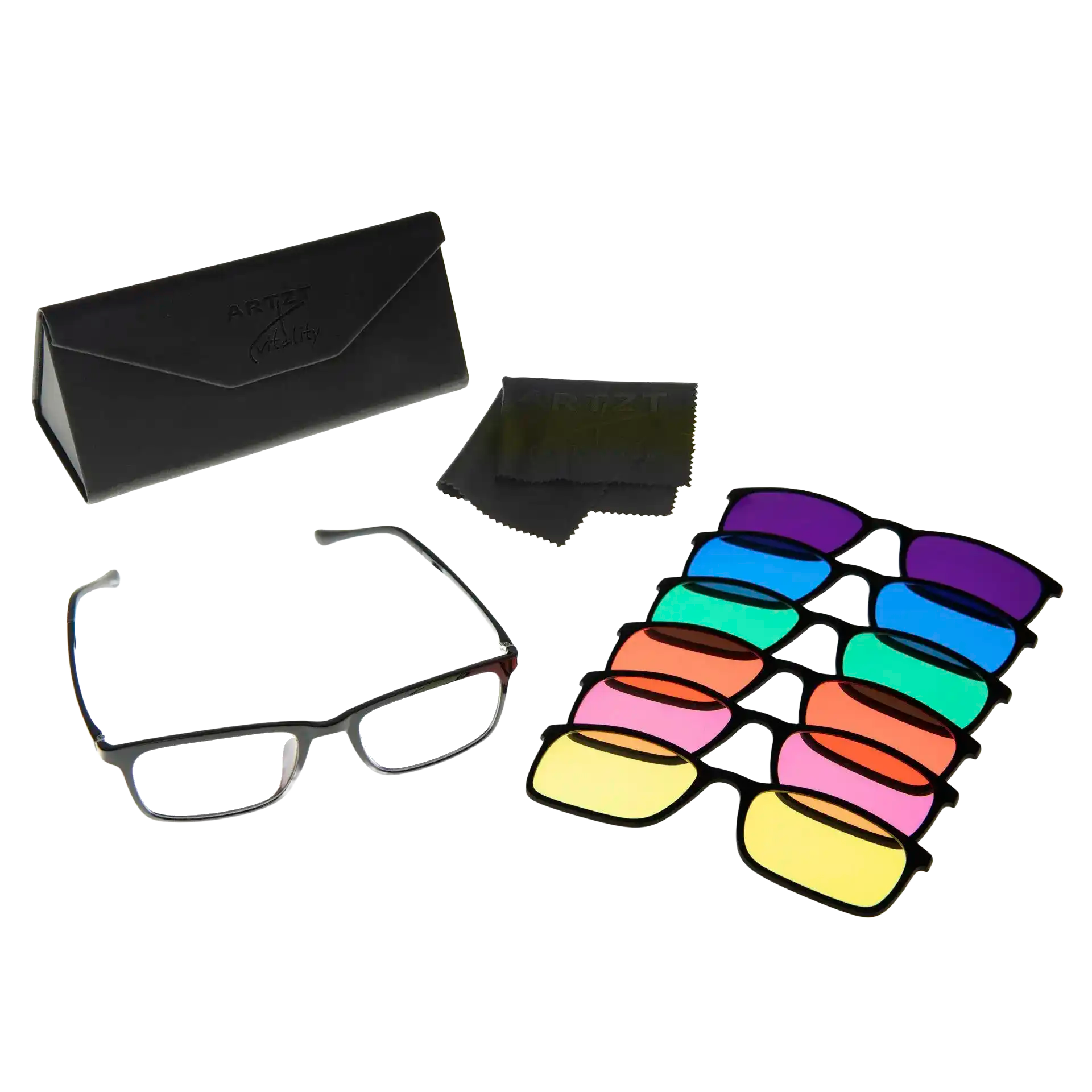
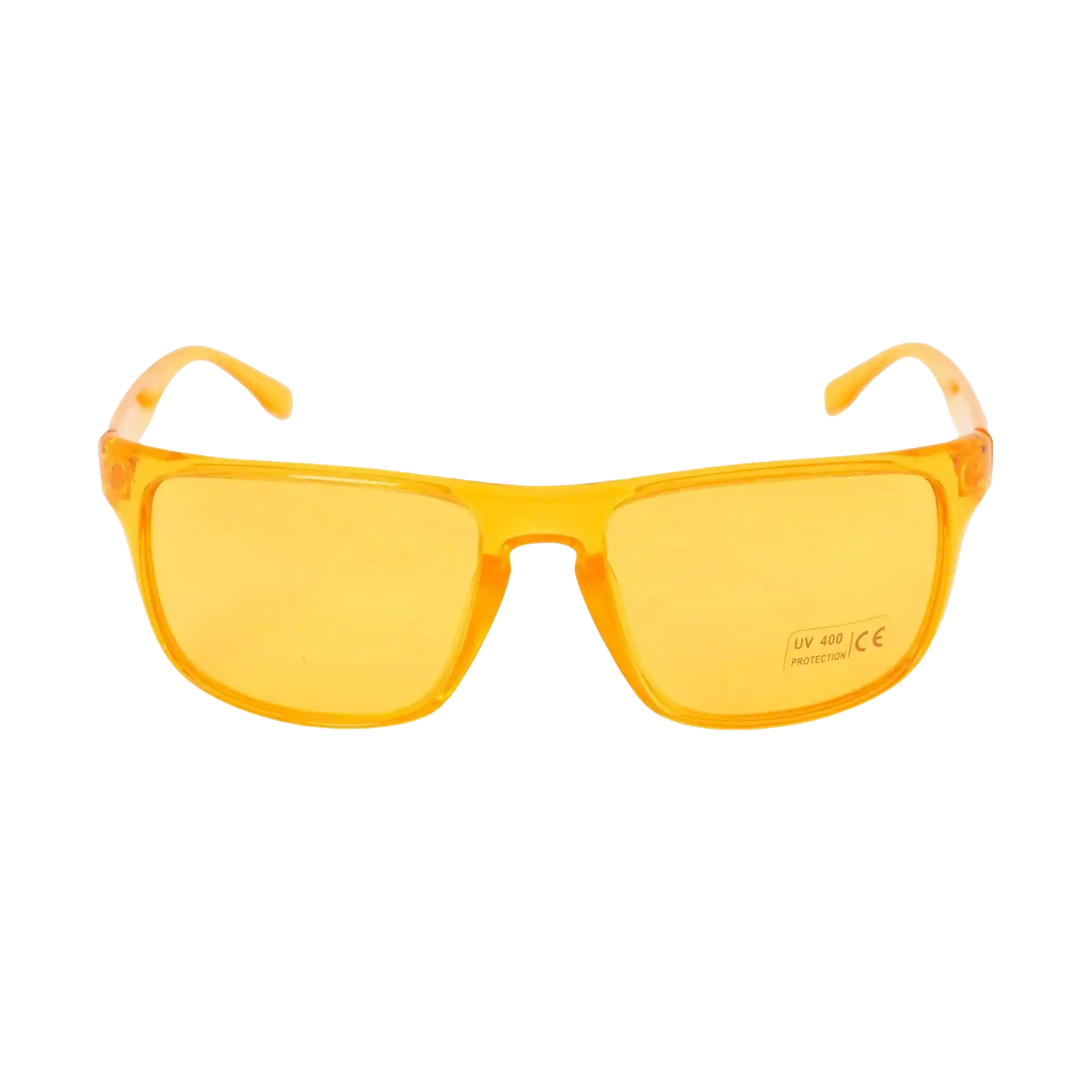
For the third exercise, Kevin utilizes the effect of color on the eyes and brain. Green light waves have a relaxing effect, meaning that with the green color glasses from neuroathletics, headaches can not only be immediately relieved, but these can also be used preventively almost anywhere in everyday life. Anyone who frequently suffers from migraine-like headaches knows: It's worth a try!
Chronic Migraine Without Therapy – Danger to Heart and Psyche?
Long-term untreated migraine can have significant health consequences. Studies show that chronic migraine can increase the risk of cardiovascular diseases such as strokes and heart disease, especially in sufferers over 50 years old. The psyche also often suffers from constant pain: depression and anxiety disorders are disproportionately common in migraine patients, as the disease can massively impair their quality of life. In addition, repeated painkiller use without medical supervision can lead to so-called "medication-overuse headaches" and cause liver or kidney damage.
Conclusion: Understanding Migraine and Counteracting It Specifically
Migraine is more than just a headache. It is a complex neurological disorder that significantly affects the daily lives of millions of people. But the more we learn about the causes and mechanisms of migraine, the better we can take targeted measures to alleviate its effects. The combination of scientific research and innovative training methods, as found in neuroathletics, offers new and promising perspectives for affected individuals.
With carefully kept migraine diaries, physiotherapeutic treatments, and individual neuroathletic exercises, we can not only find relief but also reduce the frequency and intensity of migraine attacks. It is clear: a deeper understanding of the interplay between mind and body, coupled with targeted training sessions, opens new avenues in the fight against migraine.
Be inspired by the possibilities of neuroathletics and discover how an individually tailored training routine can sustainably improve your quality of life. Stay tuned, stay curious, and always remember – your path to improvement starts in your head.
Sources
-
leben-und-migraene.de/migraene
-
americanmigrainefoundation.org/resource-library/migraine-and-diet
-
www.luks.ch/newsroom/wie-botox-die-behandlung-von-migraene-veraendert
- www.headpaininstitute.com/the-effects-of-untreated-chronic-migraines
This article was originally published on artztneuro.com on 18.11.2024

Written by Jonas Schön