Reduce stress with 10 neuroathletics exercises
Reading time: 4 minutes
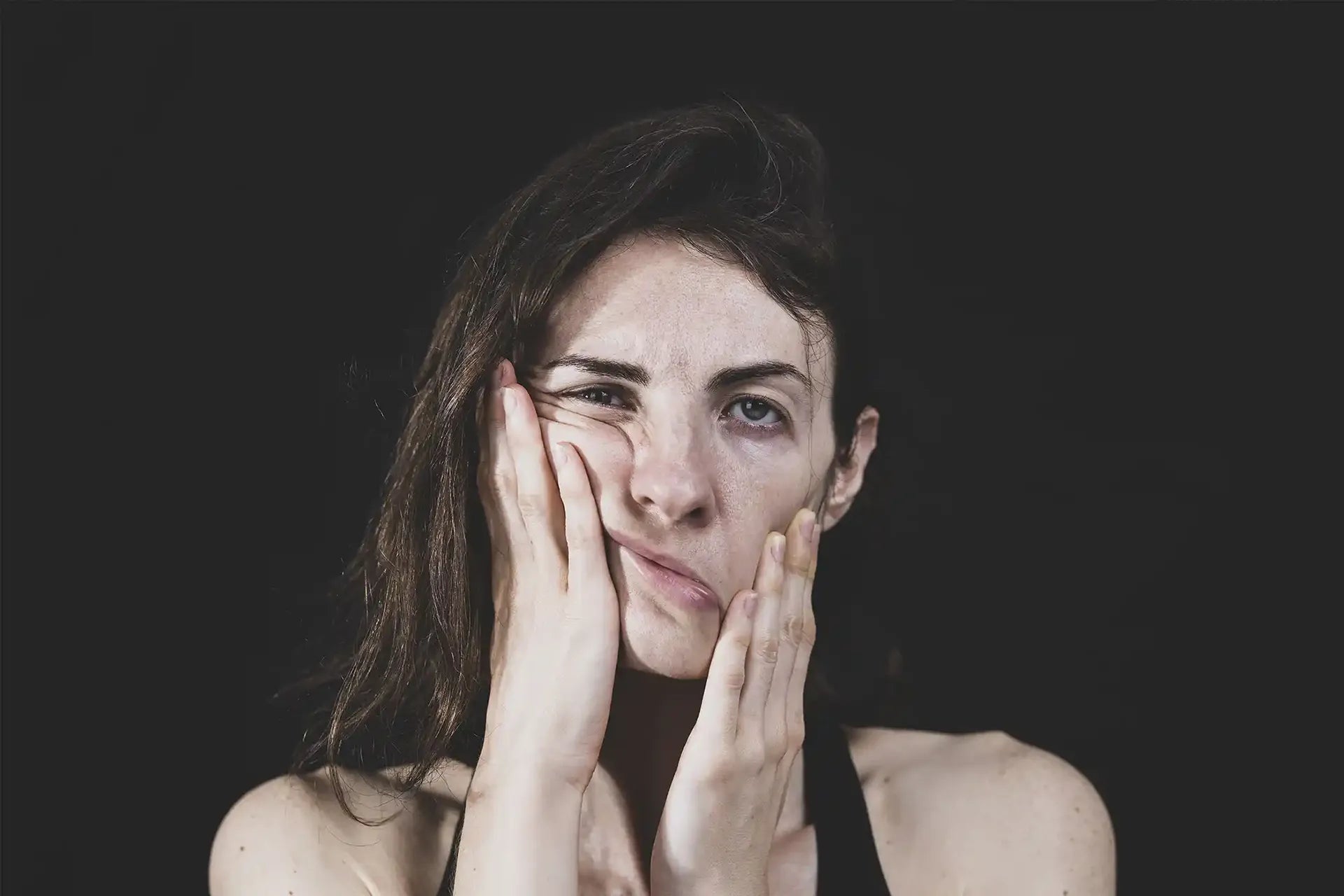
Impulsive, irritable, annoyed – we all know those days when we're in a bad mood and our emotions constantly fluctuate without knowing exactly why. One possible cause could be the digital overload we're exposed to every day. We'll show you 10 tips and exercises that can reduce stress and help with irritability.
Contents
Stress reduction: bad mood due to too much screen time
Even the use of digital devices themselves can affect our mood. Staring at the screens of smartphones, tablets, and PCs for hours strains our eyes, often even overstraining them. This can lead to what is known as Computer Vision Syndrome, which causes dry eyes, eye fatigue, and headaches. These complaints are not only annoying but also negatively affect our psyche.
In addition, there is the blue light that constantly radiates from screens. This color affects the production of melatonin, a hormone that regulates our sleep-wake rhythm. Disrupted melatonin production can lead to sleep problems or sleep disorders – and if you're tired, you have less patience, are more unbalanced, and more quickly irritable.
The brain needs energy
So what can we do about stress and irritability? In addition to fixed screen breaks, mindfulness and breathing exercises are extremely effective methods - for example, from neuro-athletics. Because healthy breathing forms the energetic basis of our lives. To be able to work at full capacity, the body and brain need enough oxygen.
The most effective way to absorb oxygen is to breathe in a controlled way into the abdomen. This moves the diaphragm, our largest breathing muscle. The abdomen bulges outwards, giving the lungs space to expand and fill with oxygen. This allows you to inhale and exhale more deeply, and your heart rate decreases. This not only increases general energy but also relaxes, which also positively influences your mood.
Breathing as a haven of peace for our brain
In humans, abdominal breathing also regulates the stress response in the brain by activating the parasympathetic nervous system. This is the part of our nervous system responsible for rest and relaxation. When you breathe calmly and deeply, you signal to your body that there is no acute danger. Your parasympathetic nervous system can exert its calming effect through your breaths.
Against stress and irritability: 10 exercises for more serenity
Together with Luise Walther, a specialist in neurotraining, we have compiled breathing exercises and other relaxation techniques from neuro-athletics – with and without larger movements – that can help you in everyday life to release inner tension and better cope with stress. With these tips, you can also counter anxiety, nervousness, inner restlessness, and things that trigger negative feelings in everyday life.
[[featured_products]]
Cervical and thoracic spine mobilization
Press your palms together, inhale deeply, and as you exhale, rotate your arms and head in opposite directions. Return to the center as you inhale. As you exhale, rotate again in opposite directions, and as you inhale, return to the center. Now pull both hands apart, inhale deeply again, and repeat the exercise sequence.
Cervical spine mobilization
Press your palms together, inhale deeply, and as you exhale, rotate only your head and eyes to the left. Return to the center as you inhale. As you exhale, rotate to the right and return to the center as you inhale. Now pull both hands apart, inhale deeply again, and repeat the exercise sequence.
Thoracic spine mobilization
Press your palms together, inhale deeply, and as you exhale, rotate only your arms to the left. Return to the center as you inhale. As you exhale, rotate your arms to the right and return to the center as you inhale. Now pull both hands apart, inhale deeply again, and repeat the exercise sequence.
Diaphragm stretch
Stand upright, relax your knees and tilt your pubic bone towards your navel. Inhale deeply through your nose and raise your arms. Open your mouth and exhale once, maximally through your open mouth.
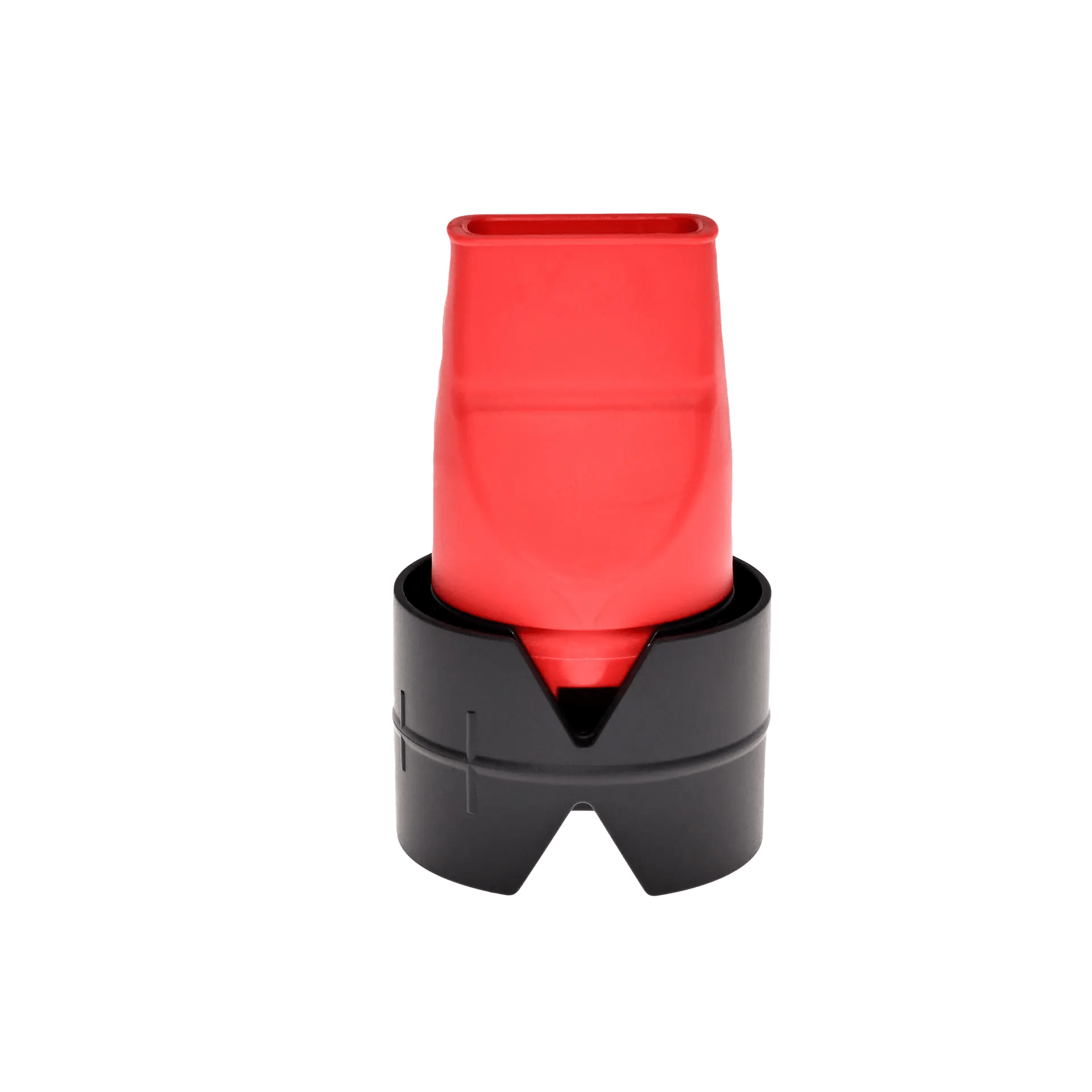
Sigh breathing with the breath trainer
Here you use a breath trainer. Inhale maximally through your nose, take two more breaths, and then exhale maximally, slowly, and evenly through your mouth.
Lymphatic breathing
Stand upright. Place your right hand under your right collarbone and apply gentle pressure. As you inhale, gently push skin and tissue upwards towards your shoulder, and as you exhale, push them back down towards your sternum. Repeat once more, then switch sides.
Breathing relaxation
Place one hand on your navel and the other on your sternum. As you inhale, push your hands, and thus your skin and tissue, upwards. As you exhale, push both hands evenly downwards again. Repeat the exercise once more.
Palming
To relax your eyes, close your eyes and place both hands over them. Breathe evenly and deeply through your nose, holding this position until you no longer see any flashes or color blobs, but can perceive a completely black image.
Lunges with arrow board
Stand in front of the eye chart. Follow the arrow direction with your lunges: Arrow up means step forward. Arrow down means step backward. Arrow right means step right. Arrow left means step left.
Breathing with the breathing belt
Attach the breathing belt with slight resistance around your abdomen directly below your ribs. Breathe in and out against the resistance of the breathing belt for at least two to five minutes, completely relaxed.
Conclusion: Balance creates recovery
Digital overload is an often underestimated factor that can strongly influence our emotions and mental health. Faced with constant overstimulation and unstoppable to-do lists, our brain quickly reaches its capacity limits, which can manifest as irritability and frustration. Even blood pressure can rise as a result. This can promote a variety of diseases.
However, there are effective tips and methods from neuro-athletics to counteract the symptoms. Breathing exercises and other relaxation exercises, as well as fixed screen breaks, offer simple and effective aids to reduce stress and improve our mood. Often within a few seconds and minutes.
This way, you not only stay mentally strong but also get the best out of your body. Take the plunge and discover how innovative training and targeted breathing relaxation from neuro-athletics can sustainably improve your well-being.

Written by Isabel Kunoth