Flossing for greater mobility and less pain
This article explains how flossing with elastic bands works, what effects it has on mobility, pain and performance, and in which situations you can use the technique effectively.
- Defines flossing as a compression technique using floss tape and distinguishes it from medical flossing through its professional application.
- Shows typical areas of application, such as shoulder, knee, ankle, Achilles tendon, osteoarthritis and scar adhesions.
- It explains the principle of action, safe self-application (SWATT method), contraindications and the current state of research as a promising addition to therapy.
Reading time: 5 minutes
You may have heard of it before: people wrap rubber bands around their knees, shoulders, or wrists – and suddenly the pain is gone. Welcome to the world of flossing! Learn how flossing works, what's behind it, and why more and more athletes and therapists swear by it.
What is flossing?
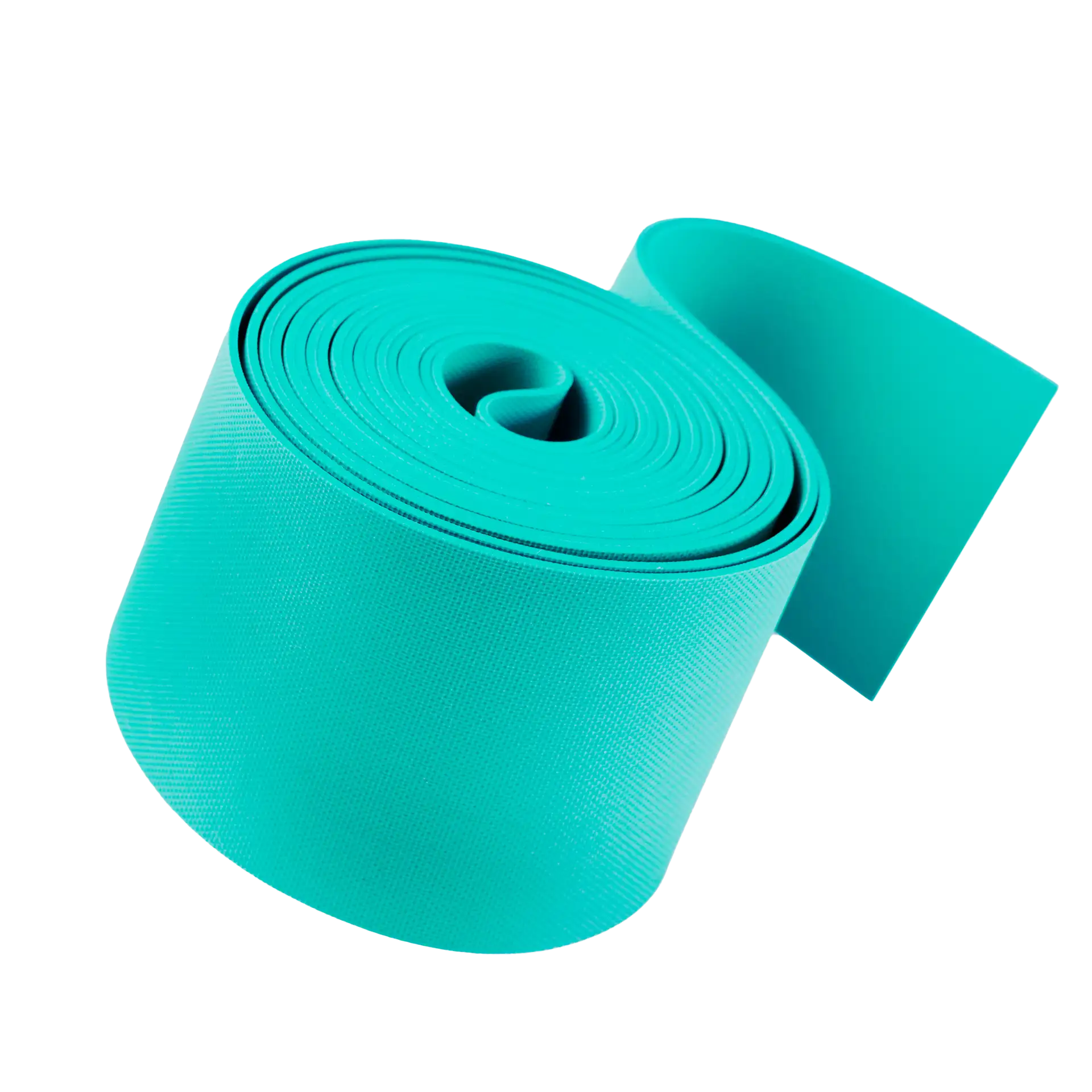
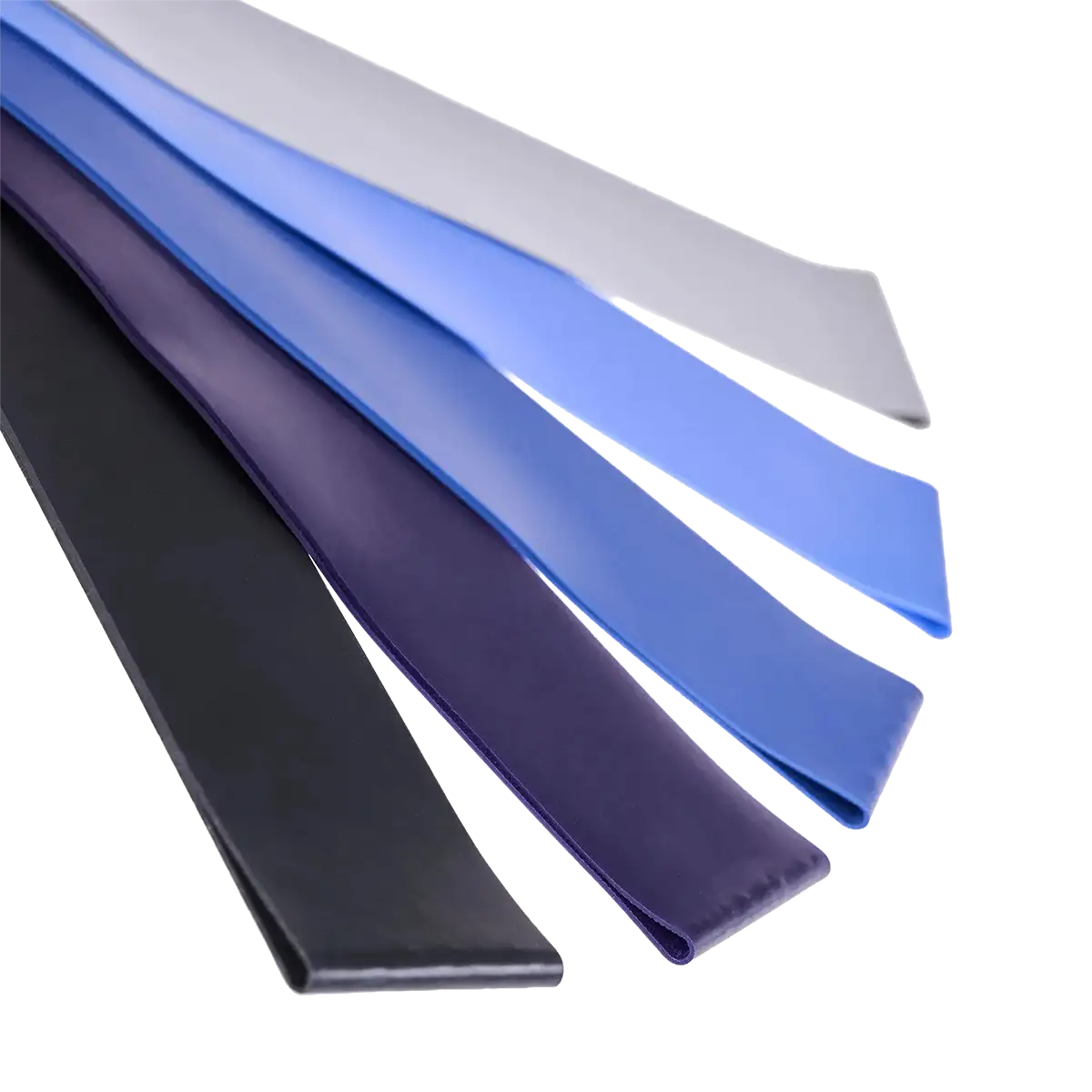
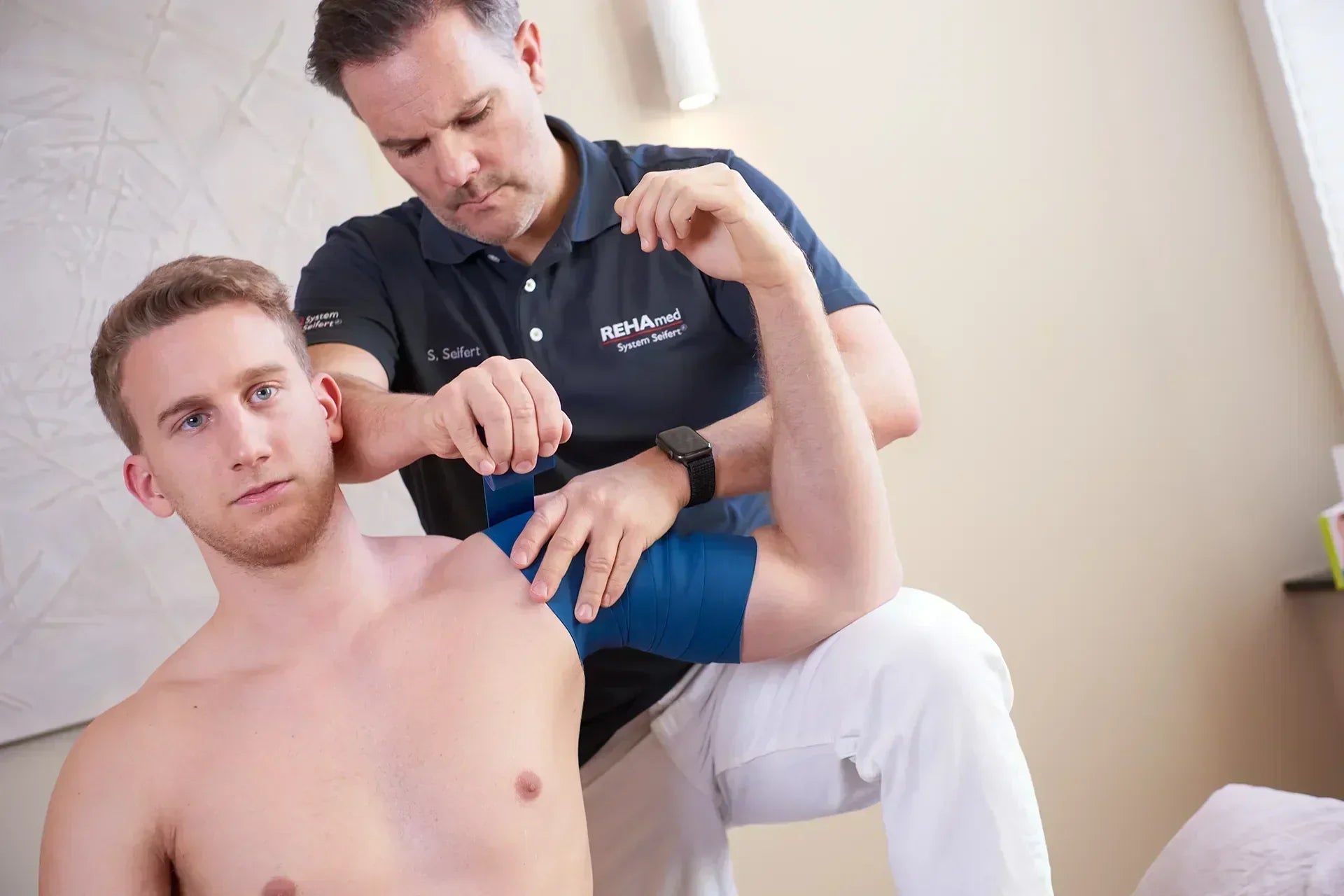
Flossing is a compression technique using elastic bands . Joints or muscles are wrapped with a thick, elastic band, called a floss band , and the affected area is then moved in a targeted manner. The goal is to improve the mobility of specific joints, reduce pain, promote regeneration, or work preventively.
Important: The term flossing is often used synonymously with medical flossing. However, the two actually differ in their application and purpose.
Flossing or Medical Flossing? – The subtle difference
While flossing can be used during training or warm-up, medical flossing should be performed by experts. Medical flossing is applied by trained professionals , such as physiotherapists or osteopaths, using specific techniques and a clearly defined treatment plan, following a professional diagnosis.
What are the effects of flossing?
The treatment method can produce noticeable changes after a short time:
- Increased mobility: For example, in the shoulder or knee after injuries or surgeries.
- Less pain: Many people report significant relief after just a few minutes.
- Short-term strength boost: Muscle strength can be increased for a short time – for example, during training or when returning to activity after a break.
Where on the body does flossing work best?
Flossing is applied to joints, muscles, and fascia . Shoulders, knees, elbows, and wrists and ankles are particularly frequently treated with this technique. This is usually done to relieve pain and restore mobility – sometimes even when other (traditional) methods are ineffective.
Did you know that many athletes use flossing before competitions to enhance their performance? Flossing has also proven effective in physiotherapy – for example, for rapid pain relief and improved mobility in cases of acute discomfort. Its applications are diverse: from prevention and regeneration to immediate relief from injuries and targeted treatment of chronic problems.
Typical application examples for flossing:
- Shoulder pain
- Osteoarthritis of the thumb, hip or ankle
- Injuries after twisting the ankle
- Achilles tendon pain
- Tennis or golfer's elbow
- Scar adhesions after surgery
- Tendon irritation or bursitis
- Movement restrictions after plaster cast or immobilization
- Muscular tension and trigger points
How does flossing work?
Flossing involves wrapping an elastic band under tension around a specific area of the body – either by yourself or by a professional such as a physiotherapist or trainer (medical flossing). While the band is in place, you actively move the area or allow it to move passively. This combination of pressure and movement can help release adhesions in the tissue, promote blood circulation (sponge effect), and noticeably reduce pain.
How to apply flossing yourself, step by step
The compression technique may feel unusual at first. To ensure the treatment method is safe and effective, the SWATT method provides a simple step-by-step guide for your exercises:
- Screening : Select the body part that is restricted or painful.
- Wrapping : Wrap the tape with 60–80% tension, pay attention to the direction and secure it well.
- Activation : Move within this area – actively or with assistance
- Time : Leave the tape on for a maximum of 2–5 minutes.
- Test /Repeat: After a short break, you can repeat the process.
3 tips for safe flossing
To ensure that flossing remains effective and safe, you should follow these three tips during your flossing exercises:
- Keep an eye on your skin: During flossing, pay attention to the skin on the treated area. It should not become numb, too cold, or turn blue.
- Less is more: Wrap the band loosely rather than too tightly and only wear it for a short time (1-2 minutes is often enough).
-
Hygiene: Clean your floss band with water after training, let it dry thoroughly, and protect it from sun or heat. This way, you can enjoy it for a long time and always stay hygienic.
Is flossing dangerous? When should flossing be avoided?
Generally, flossing is safe when used correctly. However, in certain situations, the pressure from the band can do more harm than good. Therefore, flossing should not be used in cases of certain acute or chronic conditions. Avoid flossing if you have:
- acute inflammations or infections
- Thrombosis or cardiovascular diseases
- open wounds, skin problems or fresh injuries
- pregnancy
- Taking blood-thinning medication
Tip: If you are unsure whether flossing is suitable for you, consult a doctor or physiotherapist beforehand.
Research on flossing – what science says
Initial studies show that flossing can significantly improve mobility – for example, in the ankle joint – in the short term. In recreational athletes, the use of a floss band led to measurable improvements in mobility tests and better jumping performance. These positive effects lasted for up to 45 minutes after application. While noticeable improvements in sprint speed have not yet been observed, and the body of research is still limited, the initial results are promising . Flossing could therefore establish itself as a useful addition to warm-up programs or physiotherapy treatments.
Conclusion: Small bands, big impact
Flossing isn't magic – but it can sometimes feel like it! Especially if you want to get back in shape faster or simply maintain your mobility, this treatment method can be effective. Whether it's the ankle, elbow, or other body parts, many people use flossing to mobilize tense muscles, improve flexibility, or manage minor swelling. The combination of compression and movement can help to specifically stimulate structures and support fluid drainage. Some even report a short-term improvement in muscle strength or noticeable pain relief.
It is clear that flossing does not replace therapy – but it can be tried as a useful addition in everyday life, during training or for regeneration.
Sources
-
ARTZT thepro Flossband – Exercise Instructions
Source: Ludwig Artzt GmbH -
Patrick Weber – Effect of Flossing (Sportsmedicine Newspaper, 2017)
Source: Sportsmedicine Newspaper -
Shape Up Business – Flossing (Spring 2017)
Source: Shape Up Business Magazine -
VPT Magazine – Flossing with a System (04/2016)
Source: Association for Physical Therapy -
Academy for Sport and Health – Flossing: What is it and how does it work?
Source: akademie-sport-gesundheit.de -
Physiozentrum Schweiz – Flossing: A rediscovered treatment method
Source: physiozentrum.ch -
Weber, Patrick – Flossing – A new method for treating pain and restricted movement
Source: Thieme E-Journals, 2017