Teeth Grinding – 10 Neuroathletic Exercises to Relax Your Jaw
Reading time: 5 minutes
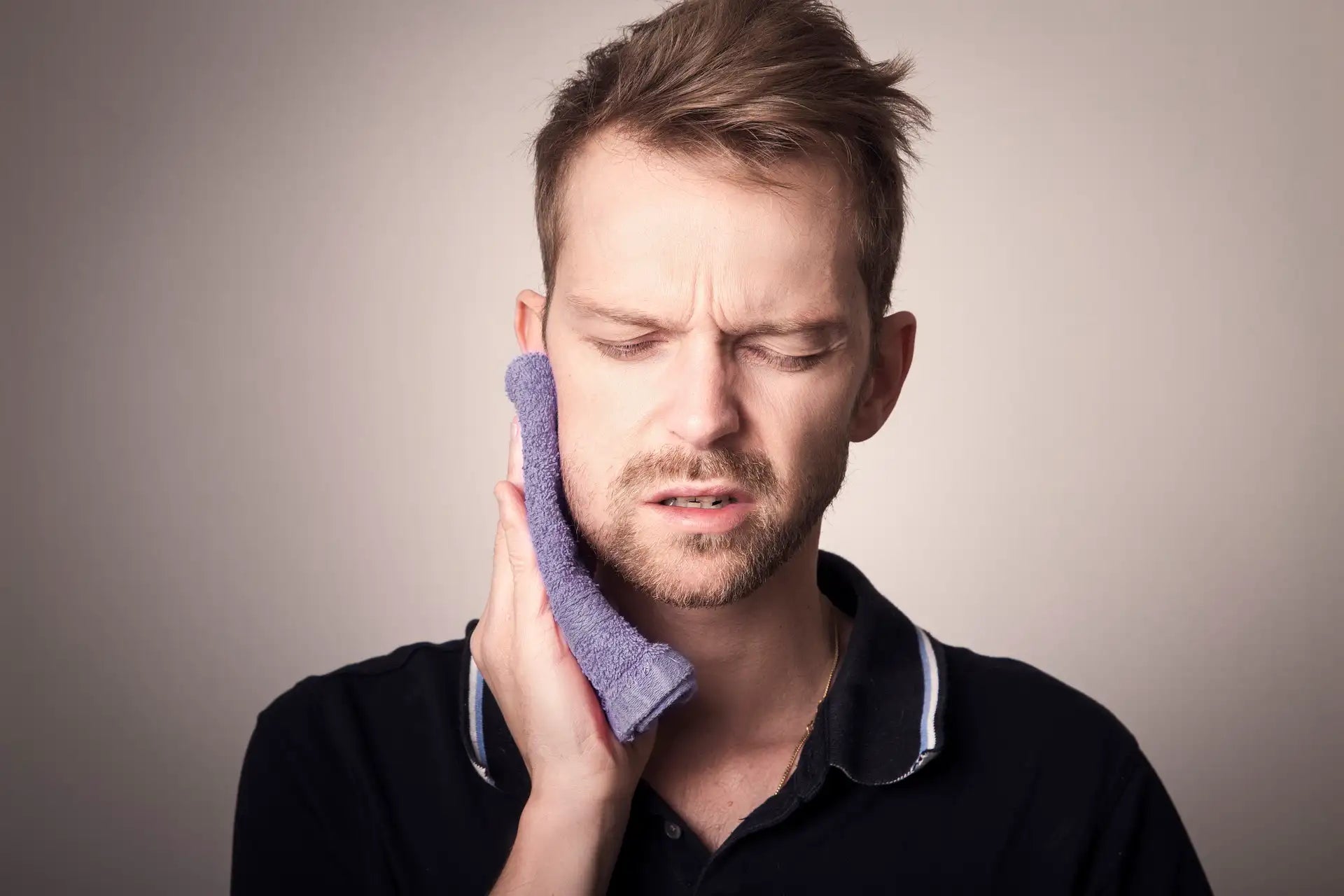
Teeth grinding is unpleasant and can lead to pain in the head, temporomandibular joint, ears, or teeth. About one in three people in Germany suffer from it, often without noticing. The problem, also known as bruxism, is often triggered by stress and monotonous movements at work. Here you can find out exactly where teeth grinding comes from and what you can do about it today.
Contents
- Stress and screen time as triggers for teeth grinding
- Bruxism: What to do about teeth grinding?
- Jaw relaxation through targeted training
- Neuroathletics training for the jaw
- 10 neuroathletic exercises for teeth grinding, headaches and tension
- Conclusion: Relaxation is also the key to success with teeth grinding
Stress and screen time as triggers for teeth grinding
Constantly staring at screens and the repetitive posture and hand movement when operating the mouse can cause tension in the neck and shoulders that also affects the jaw area. If the jaw muscles are tense, this can lead to unconsciously clenching or grinding the teeth in the mouth to relieve the pressure. This is then called teeth grinding.
Especially during stressful periods, many find it difficult to avoid unconscious teeth grinding. This is because hormones released by stress, such as adrenaline and cortisol, can also increase jaw tension. In such cases, teeth grinding, which can occur both when awake and during sleep, serves as a kind of outlet to release built-up stress.
In addition, teeth grinding can also temporarily help relax the eye muscles and sharpen near vision. This is done to reduce the strain on the eyes caused by frequent screen use. In the long run, however, this form of compensation, like any compensatory reaction, is not a good idea. It can lead to various problems – even outside the mouth – from overstrained jaw muscles to neck tension and damage to the teeth.
Bruxism: What to do about teeth grinding?
If you want to get rid of the annoying grinding of the upper and lower teeth, which in the worst case can also cause disturbing noises, tinnitus or migraine, it is first important to identify the individual causes. If orthopedic dysfunctions such as an incorrect tooth position or temporomandibular joint misalignments can be ruled out, good stress management is a first way to treat bruxism. Reducing stress can also reduce muscle tension. Because CMD (craniomandibular dysfunction), i.e. dysfunction of the temporomandibular joint and masticatory muscles, is often promoted by poor posture or stress.
Jaw relaxation through targeted training
Techniques from neuro-centered training can help reduce stress, loosen your jaw muscles and thus treat jaw pain. The focus here is on training the brain. To function smoothly, our brain needs precise signals from the body, which it analyzes and processes.
In the case of the jaw, the sensory information comes, for example, from the surrounding joints, muscles, nerves, soft tissues, teeth and sensory organs. If the quality of the transmitted data is poor due to dysfunctions, incorrect and persistent tension, our nervous system reacts with protective mechanisms such as pain perception or muscular tension. Through targeted exercises, you can improve communication between your body and your brain and significantly reduce the strain on the jaw muscles.
[[featured_products]]
Neuroathletic training for the jaw in case of teeth grinding
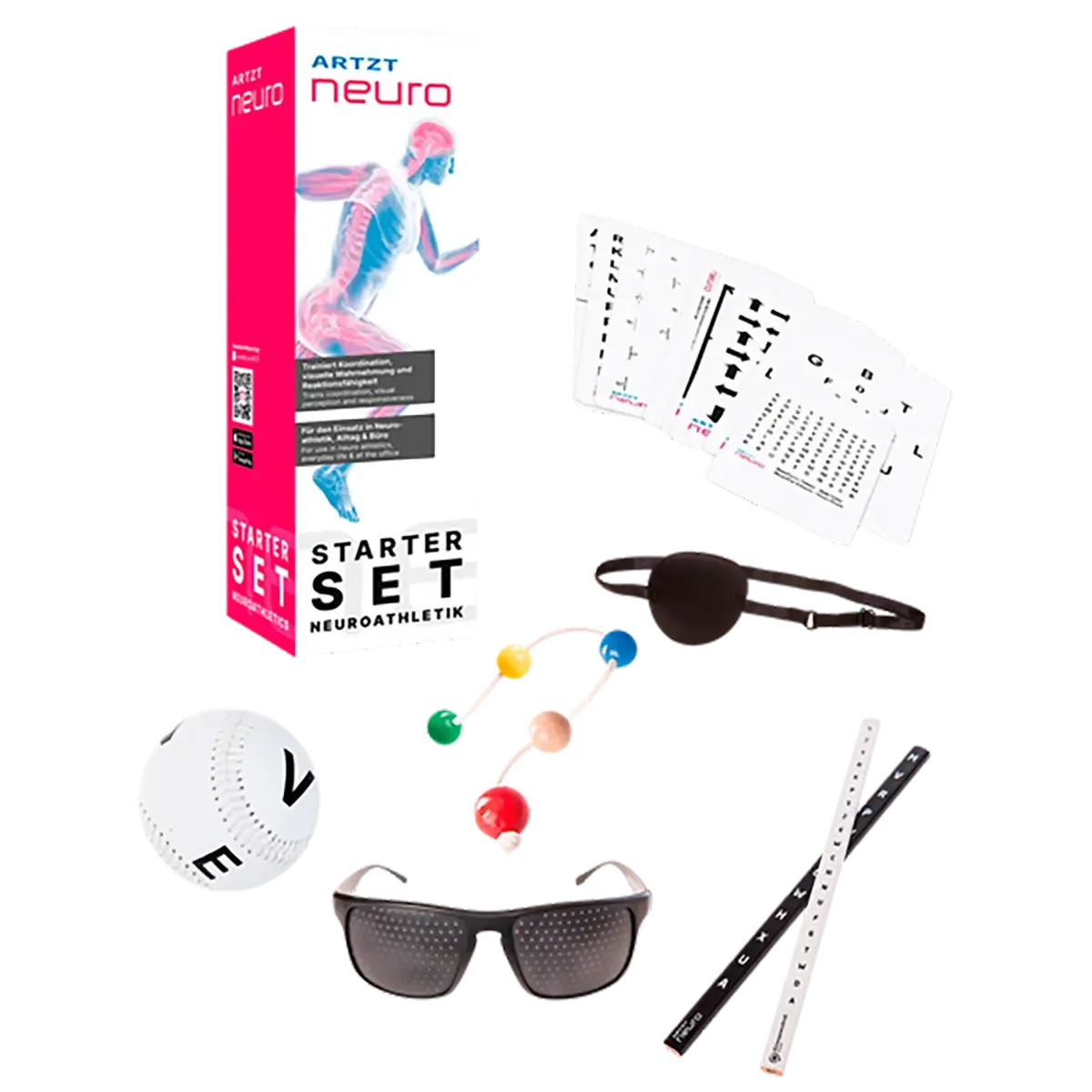
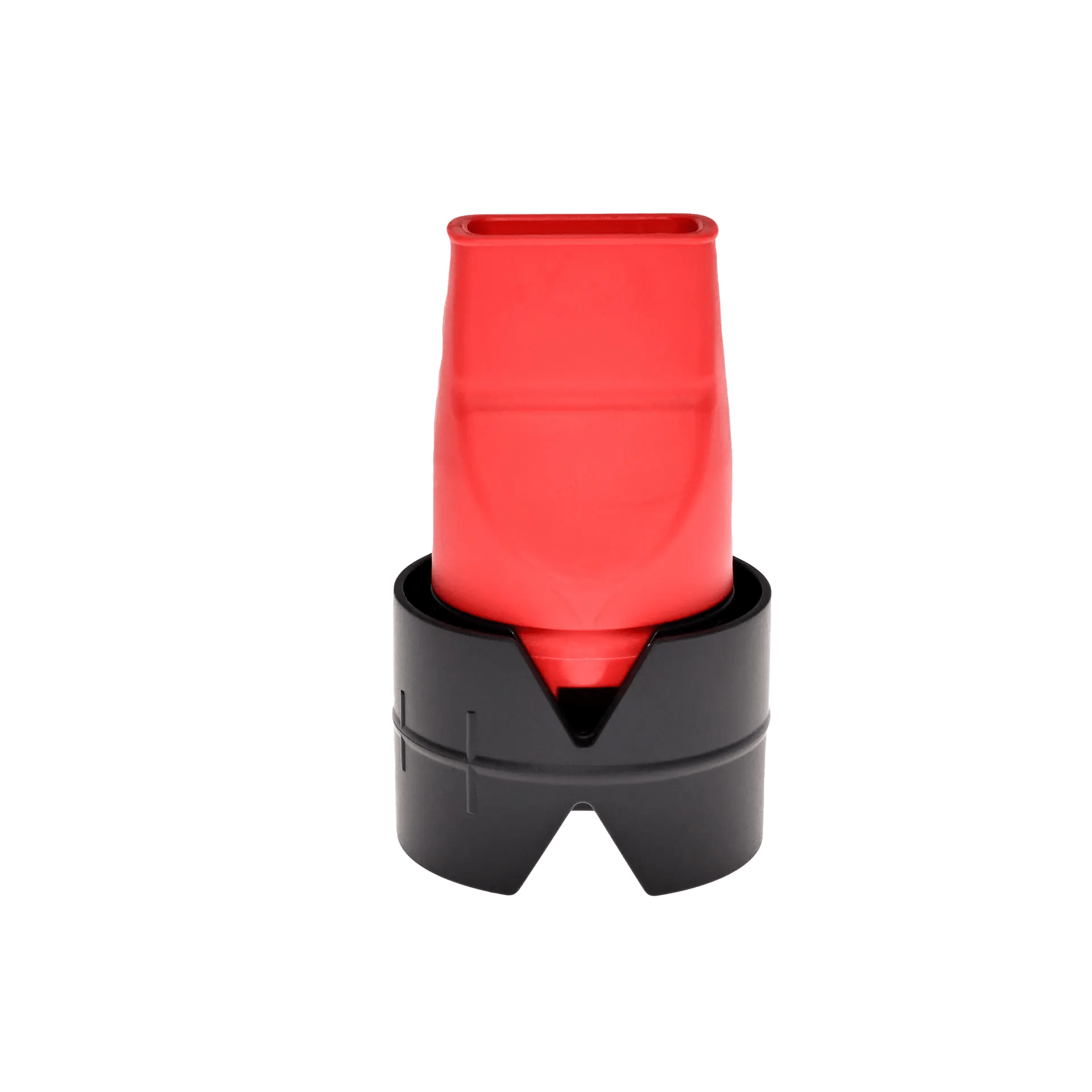
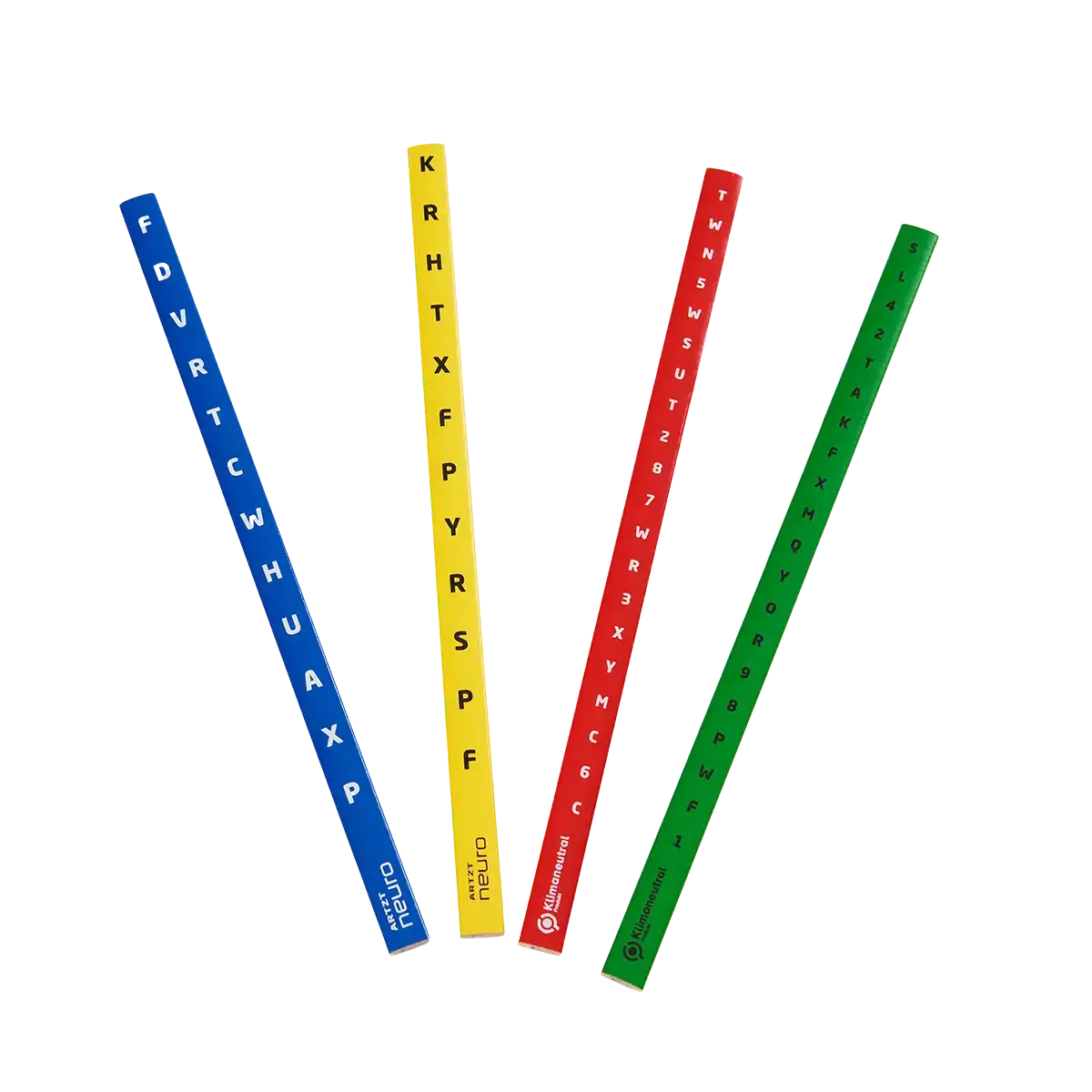
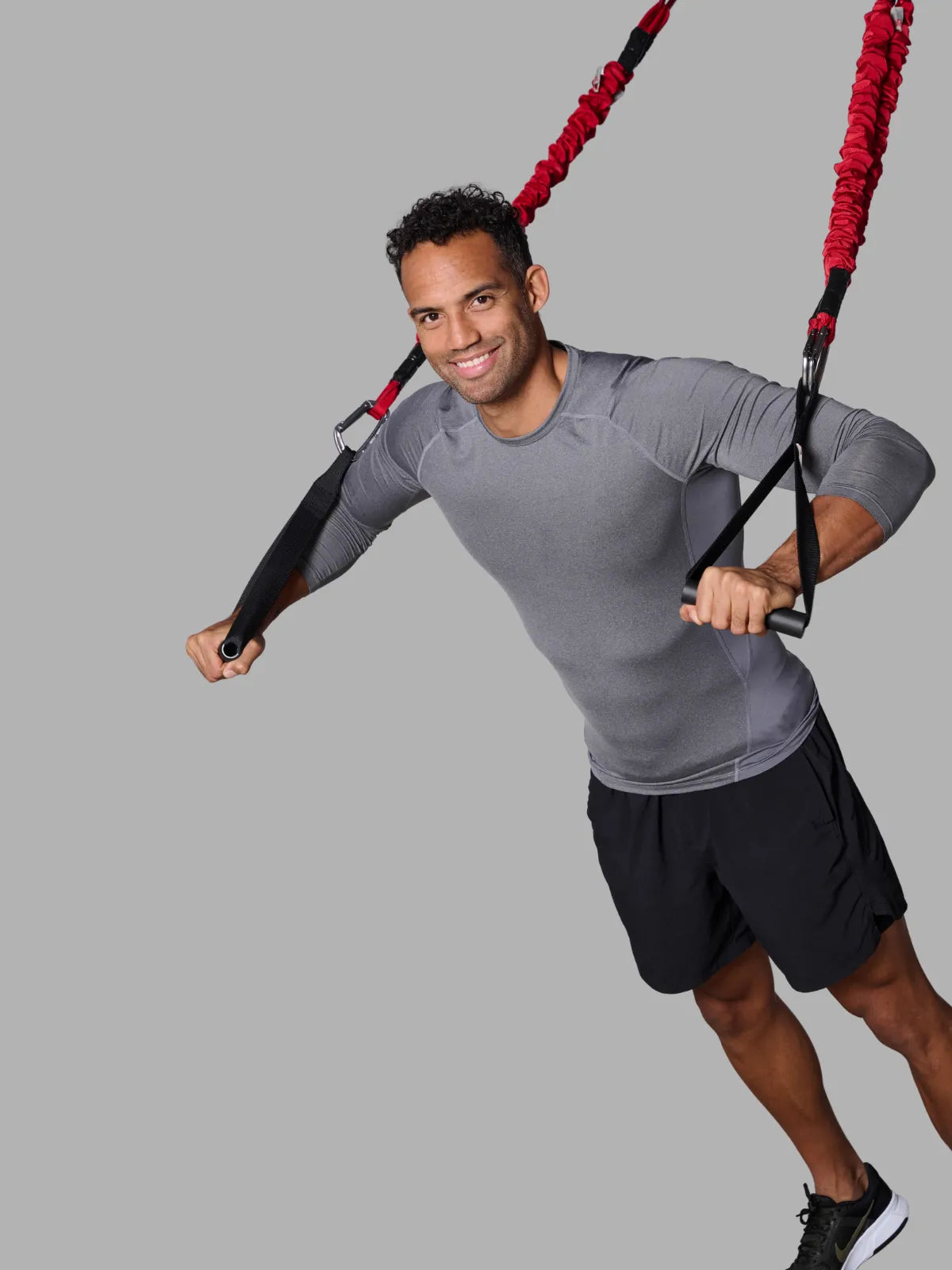
In collaboration with neurotrainer Luise Walther, we have created a 10-minute exercise flow for your jaw, shoulders, and neck. Pro tip: To make the exercises even more intense and effective, you can also use a resistance band, a vision stick, and a Z-Vibe vibratory pen for training.
10 Neuroathletic exercises against teeth grinding, headaches and tension
Headaches and tension in the jaw, neck and cheeks are often the result of unconscious teeth grinding. This constant grinding strains the chewing muscles and leads to unpleasant pain. The good news: With simple exercises you can release tension, relax your jaw and relieve annoying headaches.
1. Eye mobilization with arrow board
Stand in front of the board. Move your eyes in the direction of the arrow without moving your head: arrow up, look up. Arrow right, look right, arrow down, look down, arrow left, look left. Stop as soon as it becomes strenuous for your eyes.
2. Eye-neck mobilization
Stand in front of the VOR board. Hold the Vision Stick with your arm outstretched and focus on a letter at eye level. Simultaneously move your eyes, head, and arm with the stick at the same speed in the following directions of the lines on the VOR board: up, back to center, up right, back to center, right, back to center, down right, center, down. Switch hands and repeat all directions on the left side.
3. Pelvic mobilization
Take the tension out of your knees. Slowly mobilize your pelvis by pulling your pubic bone towards your belly button and then arching your back slightly. Slowly switch between positions without experiencing pain or discomfort.
4. Gaze stabilization with VOR board
Stand in front of the VOR board. With a steady head position, jump with both eyes in the following directions on the VOR board: up right, top center, top left, right, stay in the middle, left, bottom right, bottom center, bottom left.
5. Thoracic spine mobilization
Press your palms together, inhale deeply and, as you exhale, rotate only your arms to the left. As you inhale, return to the center. As you exhale, rotate your arms to the right and return to the center as you inhale. Now pull both hands apart, inhale deeply again and repeat the exercise sequence.
6. Cervical and thoracic spine mobilization
Press your palms together, inhale deeply and as you exhale, rotate your arms and head in opposite directions. Return to the center as you inhale. Repeat the rotation to the other side with the next exhale. Then pull both hands apart, inhale and repeat the entire sequence.
7. Cervical spine mobilization
Press your palms together, inhale deeply and, as you exhale, rotate only your head and eyes to the left. Return to the center as you inhale. As you exhale, rotate to the right and return to the center as you inhale. Now pull both hands apart, inhale deeply again and repeat the exercise sequence.
8. Jaw mobilization with or without tools
Open and close your jaw. Then push your lower jaw forward and backward, and then right and left. Go only as far as is comfortable.
Optional: Massage your lower jaw with the Z-Vibe vibration pen to provide targeted tactile stimuli in the oral cavity. The gentle vibration can also have a very calming effect.
9. Ladder breathing
Stand upright, knees relaxed. Place your hands on your belly and breathe deeply in and out through your nose. Focus on breathing into your abdomen. Now place your hands on your rib cage and breathe deeply in and out through your nose into your rib cage. Then place your hands on your chest, breathe deeply in and out through your nose into your chest.
10. Jaw and neck mobilization - tongue circles
Place your tongue in front of your incisors with your lips closed. Now slowly guide the tip of your tongue in a circular motion along your teeth: down, right, up, and left. In both the upper and lower jaw. Pay attention to a comfortable speed. Change the direction of the tongue movement after a few seconds.
[[featured_products]]
Conclusion: Relaxation is also the key to success with teeth grinding
Teeth grinding is an issue that affects many – often triggered by stress, tension or jaw problems. Important: You can actively counter it! With the right exercises, you can relax your jaw, reduce discomfort and feel better overall.
The interplay of head and body is crucial here. With simple neuroathletic and relaxation exercises, you can bring looseness to your jaw and neck. You will feel your well-being increase – and the best part: you can easily incorporate these exercises into your daily life.
So, let's go! You have it in your own hands to give your jaw more relaxation and yourself more quality of life.
This article was originally published on 12/12/2024 on artztneuro.com

Written by Isabel Kunoth