Neuroathletics in Tennis: How Brain Exercises and New Training Methods Improve Your Game
Reading time: 4 minutes
At least since Alexander Zverev's statements about neuroathletics and its influence on his training, it is clear: neuroathletics has gained a foothold in German tennis. But what exactly is behind the term neuroathletics? And why is this training approach worthwhile for tennis coaches and players? Learn more in this article about neuroathletic training for tennis and how you can set new standards through performance enhancement, pain relief, and injury prevention.
Why is neuroathletics relevant in tennis?
Tennis places high demands on hand-eye coordination, reaction time, and movement precision. Players must accurately estimate the ball, move at lightning speed, and simultaneously execute optimal hitting technique. Whether it's strokes, footwork, or quick reactions: neuroathletics can specifically improve these skills and thus enhance the performance and skill level of tennis players. Neuroathletics focuses on the brain.
What is neuroathletic training?
Neuroathletics is the further development of classic athletic training. It's about improving not only the body's performance but also the communication between the brain and the body. Our brain and nervous system are at the center of this. The goal is to improve movement quality through sensory exercises and activation of the nervous system. Specifically, this means that movement sequences are not optimized through technique changes, but through better interaction between the brain and the body. For example, athletes' footwork or hitting precision can be improved.
Coaches and therapists repeatedly encounter limitations with their familiar methods.
– Dr. Eric Cobb
Neuroathletic training focuses on three central systems:
- Proprioceptive system: Body awareness, responsible for controlling movements.
- Visual system: Eye coordination and visual perception – crucial for ball control.
- Vestibular system: Stability and balance – essential for clean footwork.
How do amateur players benefit?
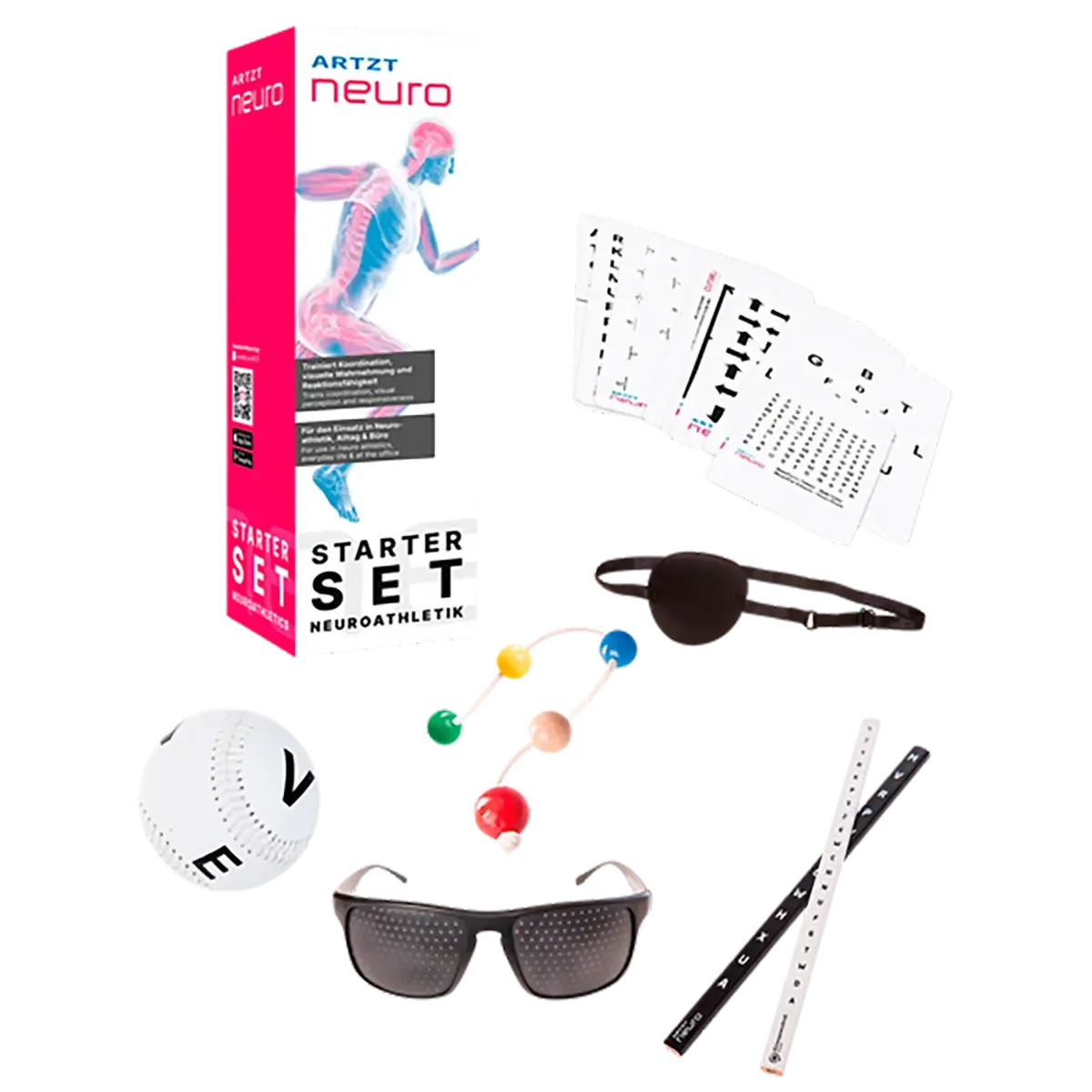
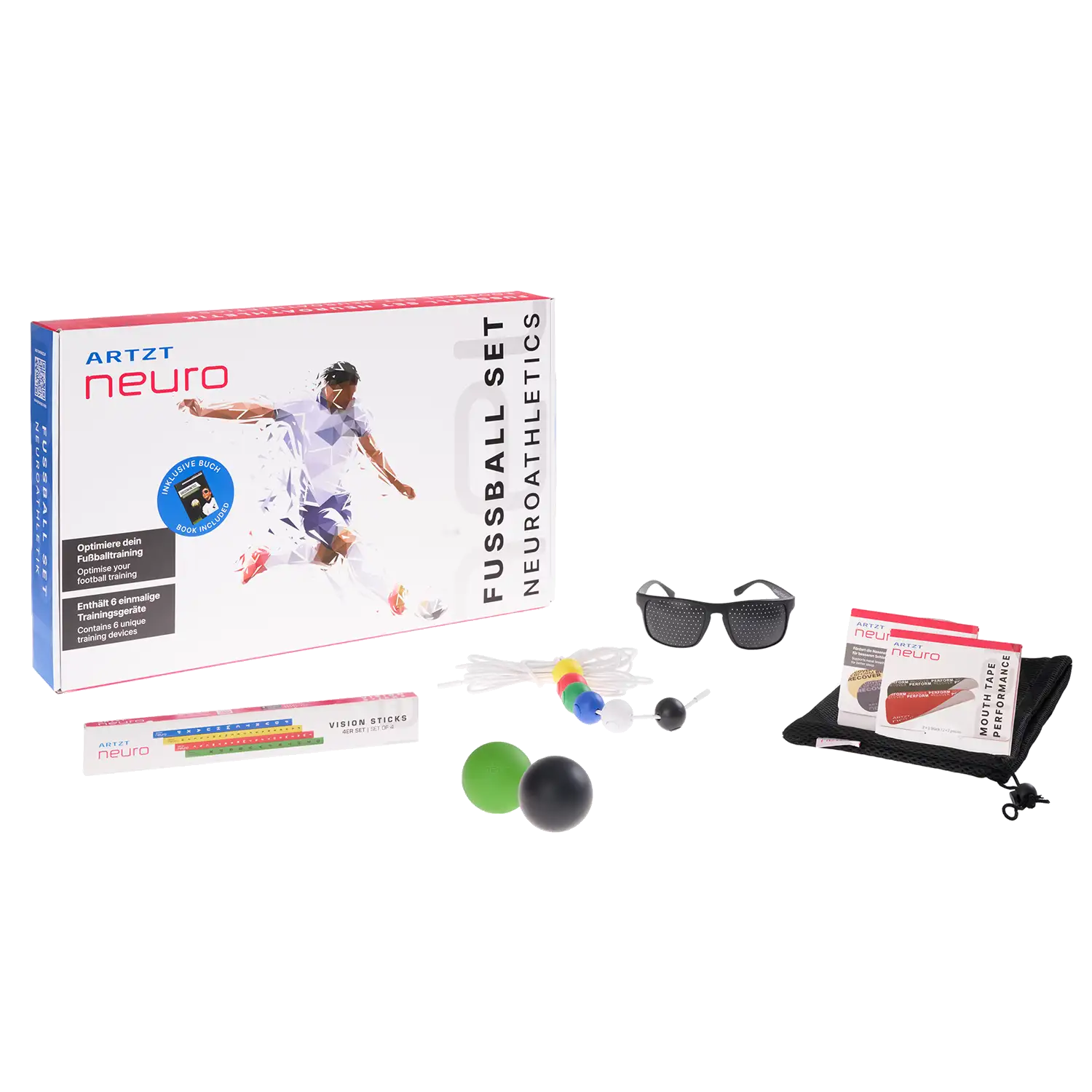
Not only professional tennis players, but also recreational athletes and beginners can benefit from neuroathletics. The training is more playful and somewhat less individualized. Exercises such as balance tasks on unstable surfaces or visual tasks with colored balls are fun and simultaneously improve movement coordination.

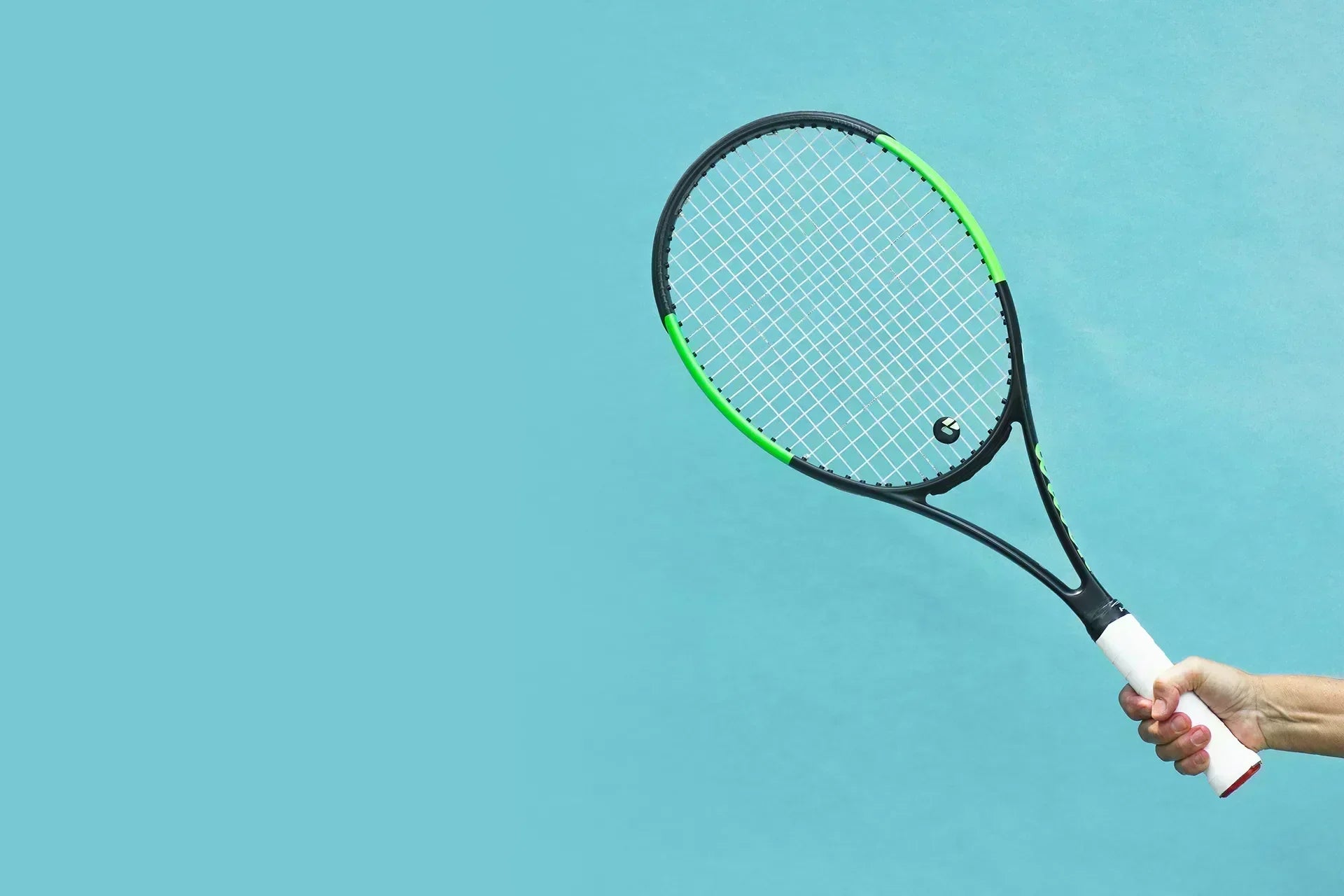
Photo by Moises Alex on Unsplash
The benefits of neurotraining in tennis
- Performance enhancement: Players can improve their reaction speed and movement precision.
- Injury prevention: Optimized movement patterns reduce the risk of overuse injuries such as tennis elbow or back problems.
- Overcoming performance plateaus: Those who are stagnating technically and physically often find new approaches through neuroathletics.
- Pain relief: Recurring problems such as poor posture or uneven movement patterns can be specifically addressed.
I was too strong, too stiff, and limited in some movements. Neuroathletic training helps me to use this strength effectively on the court.
– Alexander Zverev
How is neuroathletics applied in tennis?
How do (top) athletes manage to continue growing despite apparent performance limits? The answer lies in new, unusual training stimuli that take the body out of its routine and push it to peak performance. Here are a few brief examples:
Sensory training in tennis
The proprioceptive system, i.e., body awareness, is trained through specific exercises. One example: players practice hitting their forehand with their eyes closed to focus solely on the body's feedback.
Visual system in tennis
Visual perception is trained by sharpening depth perception. A simple test: Have your players focus on two thumbs at different distances and then quickly switch their gaze. This improves the ability to accurately locate the ball position.
Vestibular system in tennis
For stable footwork, balance exercises are used, such as single-leg jumps with rotation. These exercises prepare players for sudden changes of direction during a match.
[[featured_products]]
Tests: The basis of neuroathletic training
An analysis is the perfect basis if you want to start with neuroathletics. It shows you where the weaknesses lie and where you can start. With special tests, you can, for example, find out if someone has problems with balance, depth perception, or movement control. This clarifies how well the brain processes information from sight, sense of balance, and body awareness – and where there is still room for improvement. Even small improvements in these areas can make the difference between victory and defeat.
Neuroathletics offers people the opportunity to work on individual performance.
– Gela Allmann
 Photo by Moises Alex on Unsplash
Further training for tennis coaches
If you, as a tennis coach, want to support your players in a completely new way, it's worth taking a look into the world of neuroathletics. With practical training courses, you can learn how to specifically train the nervous system to optimize movement sequences and prevent injuries. Providers like Z-Health or the German Academy for Neuro-Performance offer exclusive programs that integrate neuroscientific knowledge directly into your daily training.
Conclusion: Why neuroathletics is revolutionizing tennis training
Neuroathletics brings a breath of fresh air to tennis training, as it addresses precisely where movement originates – in the brain and nervous system. Whether it's footwork, reaction time, or precision: this method can specifically boost performance. And this applies not only to professional tennis players like Alexander Zverev but also to recreational players. With neuroathletics, tennis coaches have the opportunity to support their players more effectively and simultaneously prevent injuries. For more performance and better movement quality!
References
- trainer.tennis.de/home/-/asset_publisher/trav/content/neuroathletik-training-f%25C3%25BCr-gehirn-und-nerven
- tvbb.de/verband/news/neuroathletik-im-tennissport
- spektrum.de/news/neuroathletik-macht-gehirntraining-den-unterschied-im-spitzensport/2151438
- marioneuner.com/post/neuroathletik-training-einfach-erkl%C3%A4rt-die-verbindung-von-k%C3%B6rper-und-gehirn-f%C3%BCr-optimale-leistung
- youtube.com/watch?v=toqYOBm0myo
- sport.sky.de/tennis/artikel/tennis-video-alexander-zverev-ueber-das-thema-neuroathletik/12498166/34345
- youtube.com/watch?v=2q810wGDBkY
This article was originally published on artztneuro.com on 01/16/2025

Written by Isabel Kunoth