

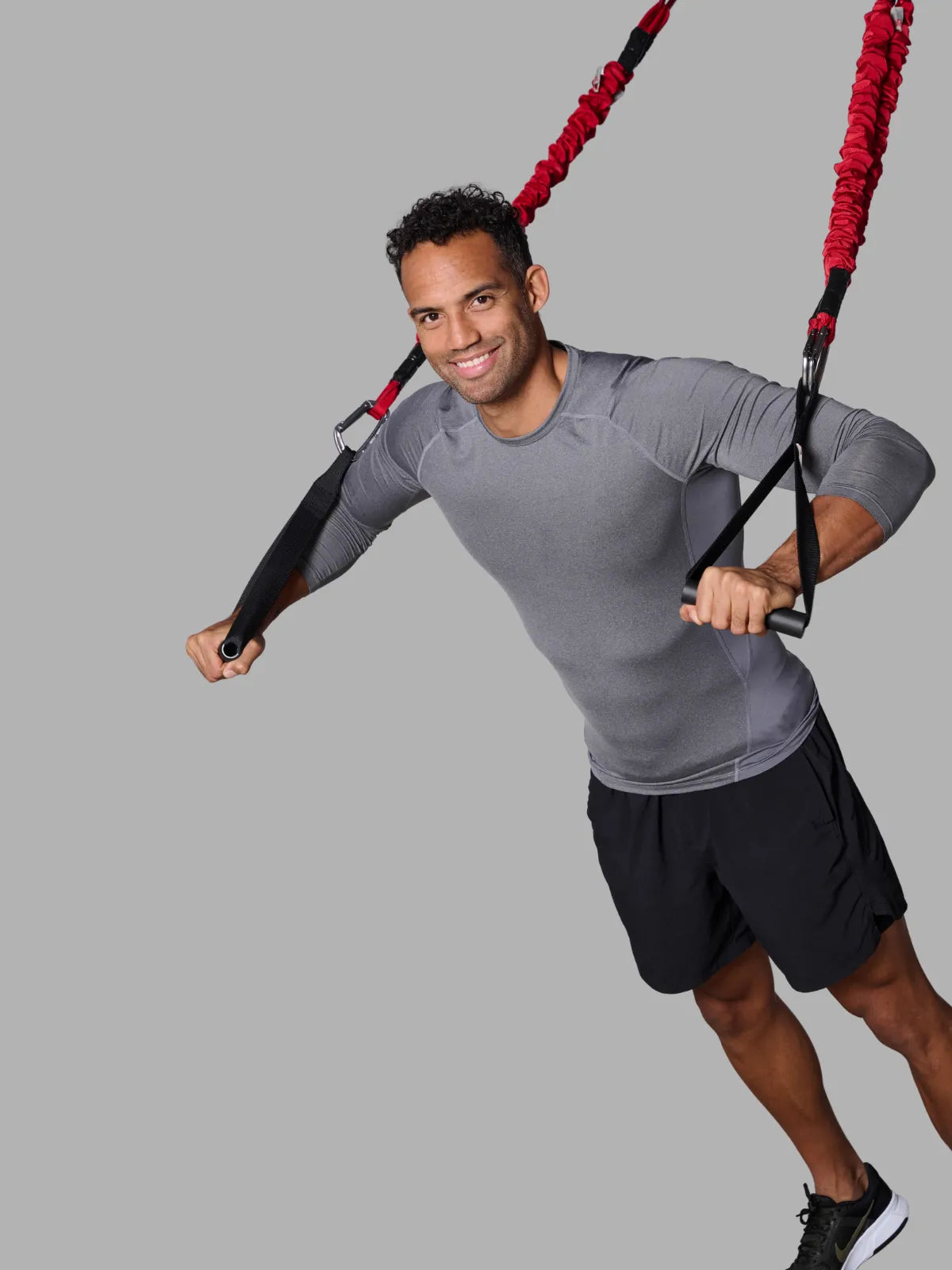

3 Neuroathletic Exercises for Tennis Elbow
Reading time: 3 minutes
You don't necessarily have to play tennis to suffer from the infamous tennis elbow. A lot of typing at the keyboard, writing with a pen, or other (incorrect) stresses on the arm can lead to unpleasant pain. Three great exercises from neuroathletics, which neuroathletics specialist Kevin Grafen clearly explains in the video below, can help. This way, you can relieve your pain in the shortest possible time.
As always in neuroathletics, the first step is to get an overview of the mobility of the affected body part and the athlete's pain perception with a simple check. And then you can get started.
The 3 exercises challenge the brain on different levels and ensure that the "pain output" is reduced and mobility increases. In addition, the training supports blood circulation. Improved blood circulation means that more oxygen and nutrients reach the tissue and muscles of the athlete, which can promote regeneration and reduce inflammatory processes.
Exercise 1: Nerve Stretch
The first exercise focuses on stretching the long arm nerve. For this, the extended arm is stretched into various positions before the head is tilted in the opposite direction, creating even more stretch via the neck-shoulder axis. From this posture, the nerve is mobilized by alternately raising the shoulder. After 10 to 15 repetitions, feel how your arm feels and whether the pain may have already changed.
This exercise is particularly well suited to relieve your tendons and the tendon attachment in the forearm. Physiotherapists often recommend this method for complaints such as epicondylitis, i.e., tennis elbow or golfer's elbow.
Exercise 2: Mobilizing the Elbow
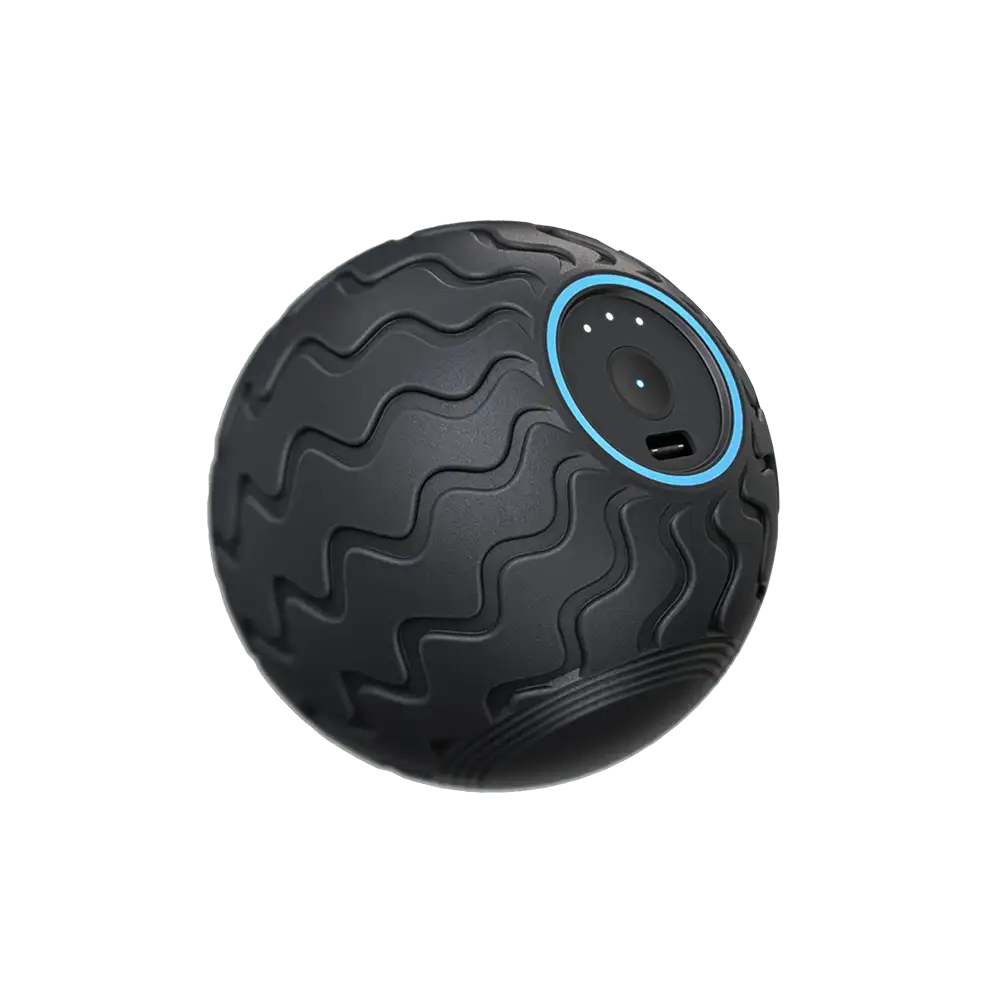
For exercise number 2, use a Wave Solo fascia ball, which vibrates at different levels. Those who suffer from tennis elbow often also have problems with gripping. That's why Kevin recommends this exercise, in which the arm, including the elbow, is activated by a rotating movement while firmly gripping the vibrating fascia ball.
This exercise specifically strengthens the fingers, palms, and wrists, which can increase your performance in the long term. 10 repetitions in each direction often already provide noticeable relief and loosening against pain and tension. Athletes like Alexander Zverev also use such training methods to make movement sequences more efficient.
Exercise 3: Shoulder Blade Circles
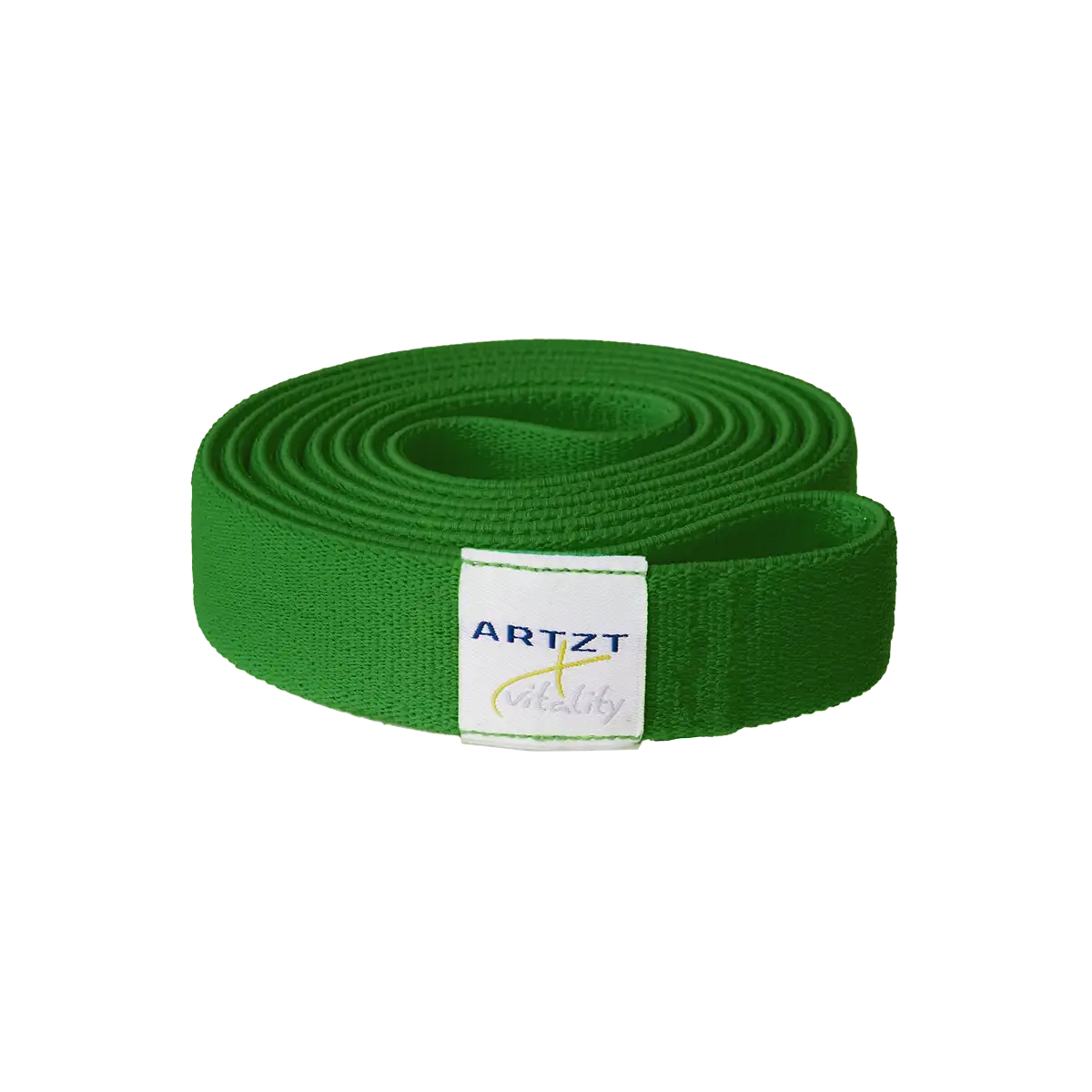
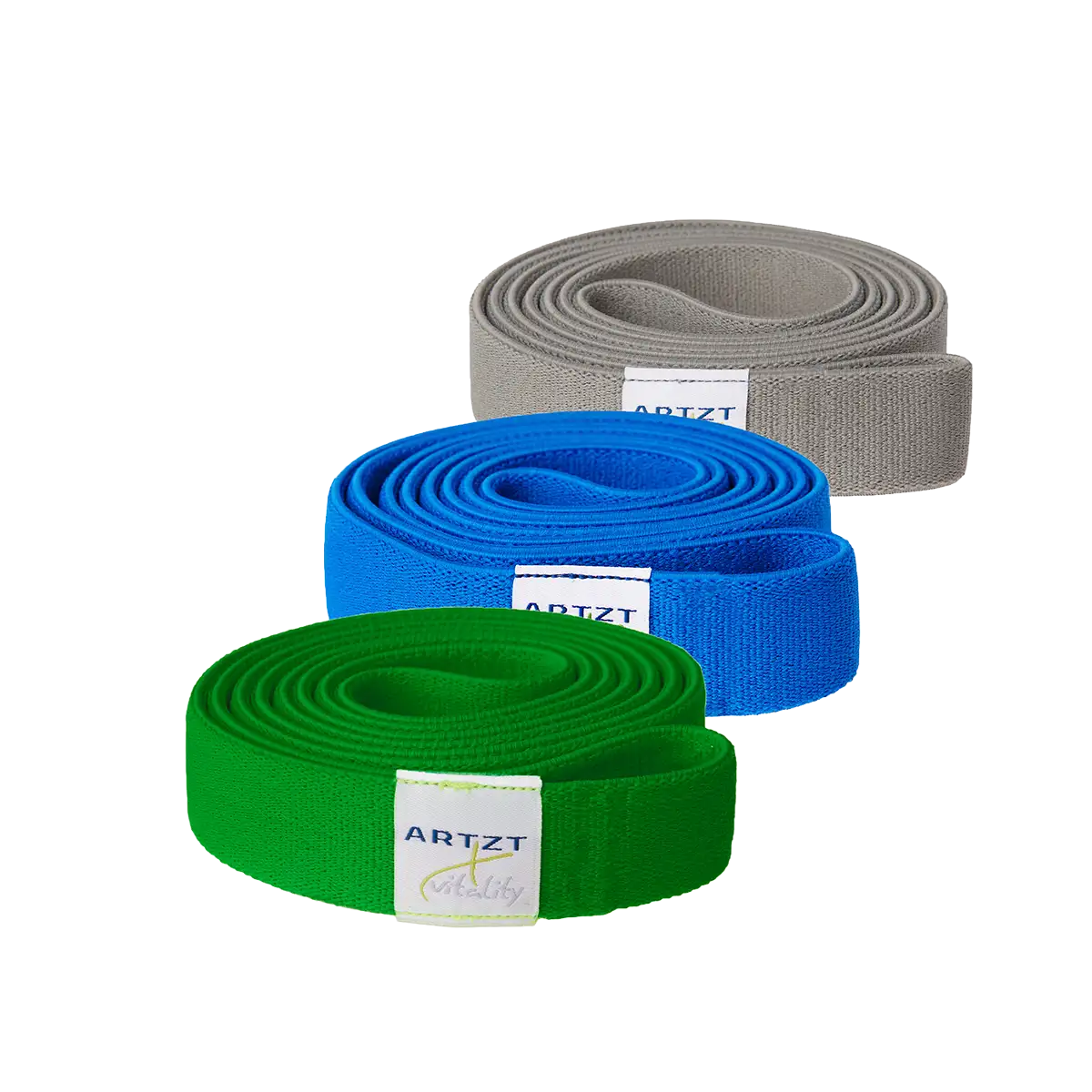
In exercise 3, the Super Band is used to mobilize your shoulder blade. Working the joints above and below the affected region leads to pain relief. For this, the Super Band is placed around the upper back like a backpack, and the hands grip the loops. With one arm extended, you now work against the resistance, pushing the arm forward and back from the shoulder.
If these neuroathletic training movements go well, you raise and lower the shoulder blade with the arm extended. Finally, both preliminary exercises are combined into a circular movement. There are again 10 to 15 repetitions on each side.
This exercise not only helps in the treatment of acute pain but also improves the long-term stability of the muscles around the shoulder. This also relieves your nervous system. In addition, many physiotherapists recommend stretching exercises to keep the muscles supple and prevent further injuries.
Conclusion: 3 exercises against tennis elbow that really help
The goal of these 3 neuroathletic exercises against tennis elbow is to effectively train at home without much effort and challenge your brain to treat or reduce inflammation and discomfort. Neuroathletic training with the targeted use of aids such as a fascia ball or fascia roller not only makes the training effective but also flexibly integratable into everyday life – whether during the week or on the weekend.
If you exercise regularly, you will feel after a short time how your movement sequences improve and the pain subsides when performing neuroathletic training. Stay tuned – your body will thank you!
This article was originally published on May 16, 2025, on artztneuro.com

Written by Isabel Kunoth


%20stresses%20on%20the...)